
Arctotis breviscapa
Arctotis breviscapa Thunb
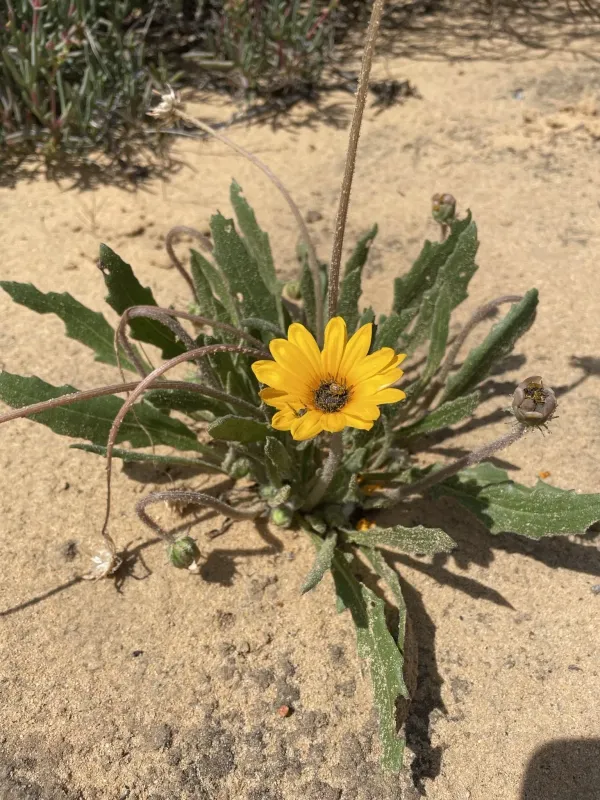
Description
Sowing dates
The sowing of Arctotis breviscapa seeds is typically initiated indoors in early spring, specifically in March or April, to provide a head start before the planting season.
Optimal germination requires a controlled environment with temperatures around 20 to 22 degrees Celsius and high light intensity to prevent seedling leggy growth.
Transplanting into the permanent outdoor location should occur only after the risk of frost has completely passed, ensuring the soil has warmed up sufficiently.
Direct sowing in warmer regions is possible once the danger of spring freezes is over, using shallow furrows to place the seeds in light, sandy substrates.
Proper spacing of approximately 25–30 cm between individual plants is necessary to promote healthy development and structural integrity of the plant.
Growing requirements
This species is a member of the Asteraceae family, native to the arid landscapes of South Africa, making it a highly resilient ornamental crop in dry conditions.
The plant thrives in full sun exposure, which is an absolute requirement for the opening and display of its signature daisy-like flower heads.
Soil composition must be loose, well-drained, and ideally sandy to mimic its natural habitat, as poor drainage is the primary cause of cultivation failure.
Arctotis breviscapa is highly sensitive to humidity and waterlogging; therefore, irrigation should be carefully managed to maintain only moderate soil moisture levels.
While the plant is adaptable to various soil pH levels, it performs best in neutral to slightly alkaline conditions, avoiding nutrient-rich heavy loams.
Main diseases and pests
The primary horticultural threat is root rot, which manifests rapidly in poorly drained soils or during periods of excessive rainfall combined with cool temperatures.
Powdery mildew can impact the foliage when environmental conditions favor high humidity and restricted airflow around the plant clusters.
Aphids and spider mites are common pests that colonize the undersides of leaves and flower buds, potentially causing significant damage to the floral display.
Integrated pest management, including regular monitoring and the use of targeted biological or chemical control agents, is essential for healthy crop production.
- Regular inspection for early symptoms.
- Removal of infected plant material.
- Application of fungicides during high-risk weather.