
Arctotis arctotoides
Arctotis arctotoides (L. f.) O. Hoffm.
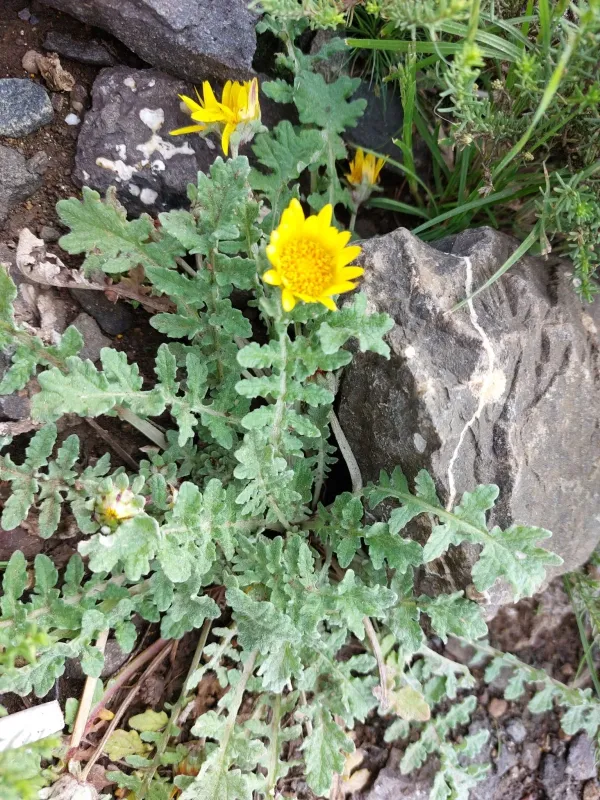
Description
Sowing dates
Arctotis arctotoides is a member of the Asteraceae family. Known for its aesthetic value and adaptability, it is cultivated globally in various climates as both an annual and a short-lived perennial.
Sowing should ideally start in early spring using nursery trays or pots. This allows for a controlled environment during the initial germination phase before hardening off the seedlings.
The optimal germination temperature ranges between 18°C and 22°C. Seeds should be surface-sown or covered with a very thin layer of substrate to ensure they receive enough light.
Once the risk of frost has passed, transplanting into the field is recommended. Spacing should be approximately 30 cm between plants to prevent overcrowding and allow proper ventilation.
Direct field sowing is possible in warmer regions, provided the soil has warmed up significantly. This method reduces transplant shock but requires vigilant weeding during the early stages.
Growing requirements
This crop thrives in full sun exposure. It is essential to select sites that receive at least 6 to 8 hours of direct sunlight daily to promote maximum flower production.
Soil quality is crucial for the success of Arctotis arctotoides. Well-drained, sandy loam soils are ideal as they prevent waterlogging, which the plant is sensitive to.
Irrigation management is key to healthy growth. While the plant shows decent drought tolerance, consistent moisture during the blooming period ensures better flower quality and longevity.
A neutral to slightly alkaline soil pH is preferred. In acidic soils, liming may be necessary to correct the chemical balance for optimal nutrient uptake.
Fertilization with balanced NPK formulas should be applied sparingly. Over-fertilization can result in excessive vegetative growth at the expense of flower development.
Main diseases and pests
Root rot caused by Phytophthora or Pythium species is the most significant disease threat. This is almost always triggered by poor soil drainage and excessive humidity.
Aphid infestations are the most common pest issue. These insects typically attack new, tender growth and should be managed immediately to prevent the transmission of viral diseases.
Spider mites can become a nuisance during periods of extreme heat and low humidity. Monitoring the undersides of leaves for signs of webbing is an important scouting activity.
Preventive measures include maintaining adequate spacing between plants to improve airflow, which naturally reduces the likelihood of fungal outbreaks and pest colonization.
If chemical intervention becomes necessary, integrated pest management (IPM) practices should be followed to protect beneficial insects while controlling the target pests effectively.
Harvesting
Arctotis arctotoides is primarily cultivated for ornamental purposes. Its unique foliage and vibrant flowers make it a popular choice for borders, rock gardens, and mass planting.
Seeds can be harvested at the end of the season once the flower heads have dried and turned brown. Proper storage in a cool, dry place is necessary for the next season's planting.
For cut flower use, harvest stems in the morning when flowers are fully open. Proper hydration in clean vases allows the blooms to last for over a week in indoor settings.
Deadheading spent flowers is a recommended practice to maintain garden aesthetics and redirect plant energy towards new bud formation, effectively extending the blooming season.
The plant's silvery-grey leaves provide visual interest throughout the growing season, serving as a textural element even during the intervals between heavy blooming cycles.