
Arctotis venusta
Arctotis venusta Norl.
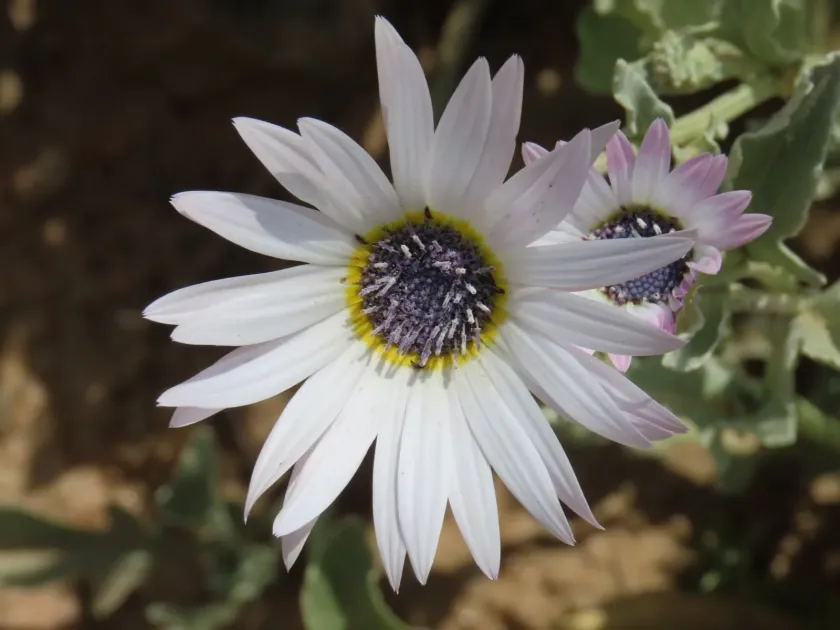
Description
Sowing dates
Sowing Arctotis venusta in open ground is carried out when the soil is sufficiently warmed, usually in late April or May. Seeds are sown in small groups of 3–5, maintaining a distance between planting spots of at least 25–30 centimeters to ensure an optimal growing area.
When using the seedling method, sowing should be done in March or early April. The use of individual peat pots is mandatory, as the culture is extremely sensitive to root system damage during transplantation or thinning.
The optimal temperature for seed germination is 20–22 degrees Celsius. Seedlings typically emerge 10–14 days after sowing, after which the containers should be moved to a cooler, well-lit location to prevent leggy growth.
Hardening off the seedlings starts two weeks before transplanting to their permanent location. This procedure involves gradually acclimating the plants to fresh air and lower nighttime temperatures, which significantly increases survival rates.
Transplanting into the soil is only possible after the risk of late spring frosts has passed. Choose the most illuminated, sunny areas for the plant, as the flower heads open exclusively in bright light.
Growing requirements
Arctotis venusta is a drought-tolerant crop originating from Southern Africa. It belongs to the Asteraceae family and is an annual herbaceous plant with pubescent, silvery-grey foliage.
The crop has specific soil requirements: it needs a light, sandy, or loamy substrate with excellent drainage. Water stagnation in the root zone is lethal for the plant and often leads to the development of root rots.
The soil pH should be neutral or slightly alkaline. Heavy clay soils require the addition of loosening materials, such as sand or fine-grained perlite, before planting.
Irrigation must be moderate and strictly measured. During active vegetation, water the plant only during prolonged dry spells, ensuring that water does not touch the hairy leaf surface to avoid burns and fungal infections.
The plant responds well to fertilization with complex mineral fertilizers containing low levels of nitrogen. Excessive nitrogen triggers vigorous vegetative growth at the expense of abundant and prolonged flowering.
Main diseases and pests
The main threat to Arctotis is aphids, which colonize young shoots and flower stalks. For control, use systemic insecticides and treat at the first sign of infestation.
Under conditions of high humidity or excessive watering, plants are prone to powdery mildew. The first symptoms of the disease are white, powdery patches on the leaves that quickly spread across the entire plant.
Root rot is a serious condition arising from waterlogged soil. Prevention involves strict adherence to irrigation schedules and ensuring high-quality drainage in the growing area.
Spider mites can damage the plants during long periods of hot and dry weather. If fine webbing is detected on the underside of leaves, use acaricides, carefully treating the leaf blade on both sides.
Slugs can cause significant damage to young seedlings during a wet summer. To protect the plants, it is recommended to mulch the soil around the bushes with dry sand or use specialized barrier traps to prevent pests from reaching the crop.
Harvesting
Harvesting Arctotis venusta flower heads for decorative purposes is done as they fully open. Select the morning hours when the plant is hydrated, which ensures longer vase life for the bouquets.
When growing the crop for seeds, harvest after the heads have fully matured. It is important to wait until the ray florets wither and the disk florets begin to dry out, turning a characteristic dark shade.
Seeds are collected selectively, as ripening within a single flower head occurs unevenly. Cut heads should be dried in a ventilated, dark room before threshing and cleaning from debris.
Seed material storage is carried out in paper bags at low humidity. Under these conditions, Arctotis seeds maintain high germination rates for two to three years from the moment of collection.
After the growing season ends, all plant debris must be removed from the field and disposed of. It is recommended to till the soil and incorporate organic fertilizers after the harvest to prepare for the next season.