
Arctotis stoechadifolia
Arctotis stoechadifolia P. J. Bergius
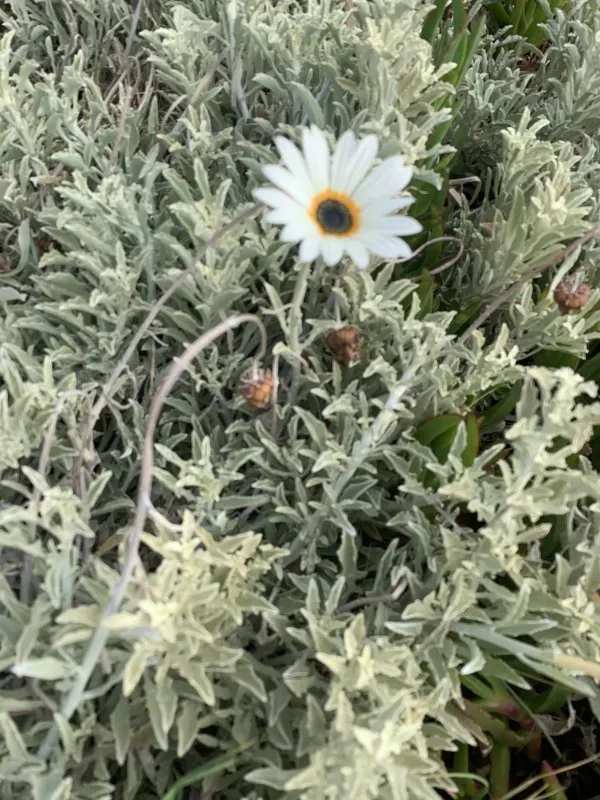
Description
Sowing dates
Arctotis stoechadifolia, commonly known as the white-felted arctotis, is a member of the Asteraceae family. To produce healthy plants, seeds should be sown indoors in late winter or early spring.
For optimal germination, maintain a soil temperature of approximately 20 degrees Celsius. Seedlings should be grown in individual containers to prevent root disturbance during transplantation.
Transplanting into the garden must only occur once all danger of frost has passed, as the plant is sensitive to cold soil temperatures. Choose a spot that receives full sun throughout the day.
Spacing is a critical factor for success; plants should be set 30 to 45 centimeters apart to facilitate sufficient airflow, which helps prevent various fungal infections during the growing season.
Direct sowing in warmer climates is possible once the ground has warmed sufficiently. Ensure the seedbed is well-prepared, finely raked, and free from competitive weed growth.
Growing requirements
Arctotis stoechadifolia thrives in environments that mimic its native South African habitat. It requires full sun to ensure that the attractive flower heads open fully throughout the daylight hours.
Soil drainage is perhaps the most important requirement for this species. The plant performs best in sandy or rocky soils, as it is highly susceptible to root rot in waterlogged or heavy clay conditions.
While the plant is relatively drought-tolerant once established, it benefits from moderate watering during prolonged dry spells to maintain consistent flowering and plant vigor.
Nutrient requirements are relatively low. Avoid over-fertilizing with nitrogen, as this encourages lush foliage growth at the expense of flower production and can make the plant more prone to diseases.
The plant handles heat well but prefers moderate temperatures for peak performance. In areas with high humidity, provide extra spacing to improve ventilation around the foliage.
Main diseases and pests
Root rot is the most frequent problem encountered with Arctotis stoechadifolia. It is almost exclusively caused by excessive soil moisture and poor drainage in the cultivation area.
Powdery mildew can affect plants when air circulation is limited or when humidity levels remain high for extended periods. Pruning and spacing are effective preventative cultural practices.
Aphids are common pests that target the terminal growth of the stems. If left unchecked, these insects can cause stunted growth and yellowing of the foliage due to sap loss.
Spider mites can become a nuisance during hot, dry weather conditions, especially in protected or sheltered garden spots where the plants are not exposed to frequent rainfall.
Integrated pest management, including regular inspection and the use of targeted biological or chemical control methods, ensures that plants remain healthy and productive throughout the season.