
Arctotis acaulis
Arctotis acaulis L.
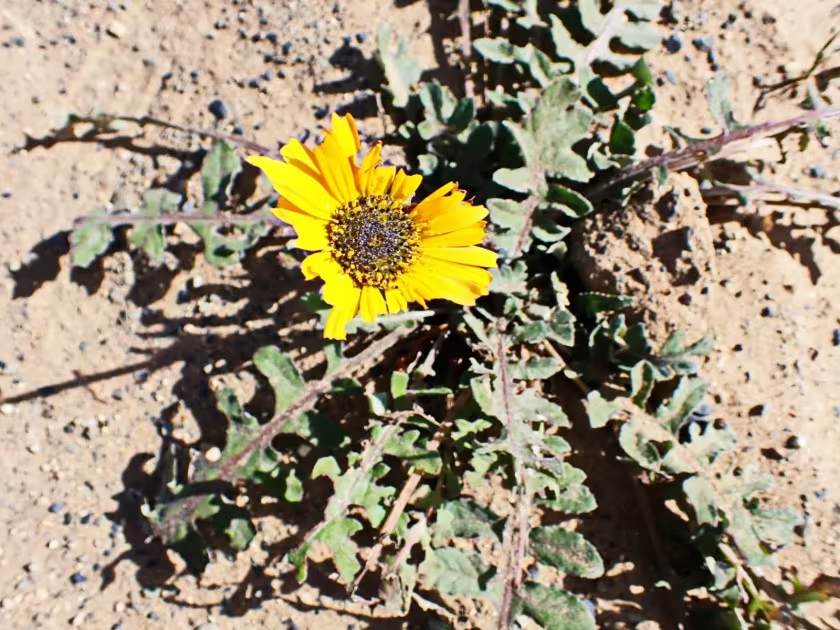
Description
Sowing dates
Sowing seeds of Arctotis acaulis in temperate climates is typically done using the seedling method. The optimal time for starting the sowing process is late March or early April, allowing the plants to bloom by June.
In regions with a mild climate, direct sowing of seeds into open ground is possible. Seeds should be sown once stable warm weather arrives and the threat of late frosts has passed, usually in the second half of May.
When using the seedling method, seeds are sown into a nutrient-rich substrate at a depth of no more than 0.5 cm. It is crucial to provide sufficient light for the seedlings, as a lack of light can cause them to become leggy and weak.
Pricking out of seedlings is performed at the stage of two true leaves into individual containers. The use of peat pots helps minimize damage to the root system during subsequent transplanting to a permanent location.
Hardening off the seedlings should begin two weeks before transplanting into the ground, gradually exposing young plants to outdoor air and direct sunlight. This is a critical stage for ensuring the high survival rate of the crop.
Growing requirements
Arctotis acaulis is a typical member of the Asteraceae family that prefers the most open and sunny areas. The plant is extremely sensitive to shade, which can significantly reduce or completely halt flowering.
The crop has specific soil requirements: it needs light, well-drained soil with a neutral or slightly alkaline pH. Heavy clay soils are unsuitable, as they cause moisture stagnation near the root system.
The plant exhibits high drought resistance, which is typical for species originating from South Africa. Watering should be moderate and performed only when the top layer of soil has dried out significantly.
The temperature regime for successful growth should be moderately warm. Arctotis can tolerate short-term temperature drops, but prolonged periods of wet and cool weather can hinder its development.
Fertilization should be carried out with caution, favoring mineral compositions designed for flowering plants. Excess organic matter or nitrogen fertilizers stimulate vegetative growth at the expense of flower bud quality.
Main diseases and pests
The main threat to Arctotis comes from fungal diseases that develop under excessive soil and air humidity. Gray mold is a common issue that affects stems and leaves during periods of prolonged rainfall.
In greenhouses or in cases of high planting density, plants may be susceptible to aphids. These pests suck juices from young shoots, leading to leaf deformation and the transmission of viral infections.
Root rot is a typical consequence of improper watering regimes or the use of heavy, non-aerated soils. Prevention consists of improving drainage and avoiding waterlogging.
Powdery mildew may affect the crop during sudden fluctuations in day and night temperatures. Modern systemic fungicides, applied at the first signs of white coating, are effective for control.
Regular monitoring of plant health is essential, as the timely removal of infected specimens helps prevent the spread of the infection throughout the entire growing area.