
Arctotis x hybrida
Arctotis x hybrida hort.
Description
Sowing dates
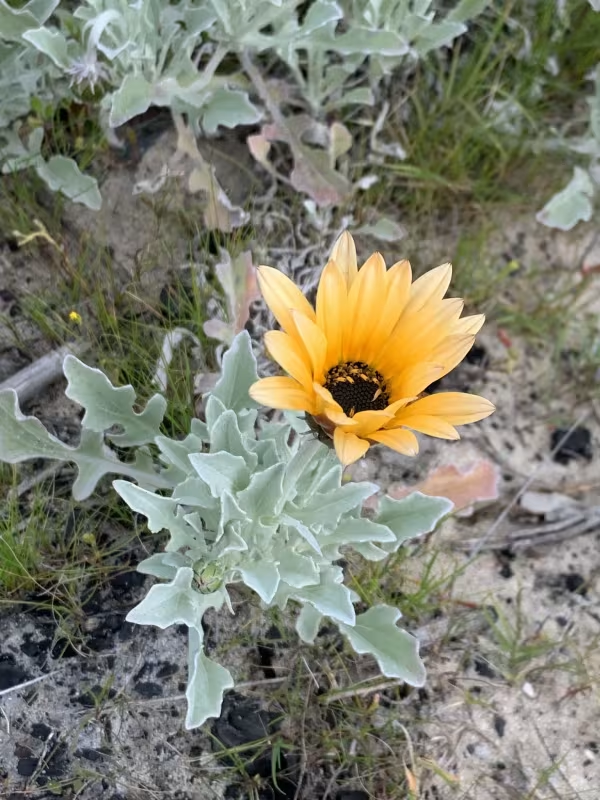
Arctotis x hybrida is a popular ornamental plant belonging to the Asteraceae family, valued for its daisy-like flowers and silvery foliage. It is a hybrid originating from various African species, bred for diverse garden use.
For optimal results, seeds should be sown indoors in late winter or early spring. Sow the seeds thinly in high-quality potting mix and cover them lightly, as light is beneficial for their germination.
Maintain a stable temperature of 20–22 degrees Celsius to ensure uniform emergence of seedlings. Pricking out should be done carefully to protect the sensitive taproot system of the plant.
Seedlings should be hardened off before being moved to their final outdoor location. Ensure all risks of frost have passed before transplanting, typically when soil temperatures have risen significantly.
Spacing is vital for healthy growth; ensure each plant has at least 25–30 cm of space. This density allows for proper air circulation, which is essential to prevent fungal issues later in the season.
Growing requirements
This plant thrives in full sun exposure. It is crucial to choose a location in the garden that receives at least six to eight hours of direct sunlight every day to ensure vigorous flowering.
The soil must be well-drained and relatively lean. Sandy or loamy soils are ideal, as they prevent water stagnation around the root crown, which is the main cause of plant failure in this species.
Arctotis x hybrida is known for its high tolerance to drought once established. Watering should be infrequent, only when the top layer of the soil has completely dried out during hot spells.
The plant does not require high levels of soil fertility. Applying too much nitrogen-rich fertilizer can lead to excessive foliage production while significantly reducing the number of flowers.
Regular maintenance involves deadheading spent flowers. This simple practice encourages the plant to channel energy into producing new buds rather than setting seeds, thus prolonging the bloom.
Main diseases and pests
The most common threat to Arctotis is root rot caused by wet, poorly draining soils. To mitigate this risk, ensure that the planting site has excellent drainage and avoid over-irrigation.
Powdery mildew is a frequent problem, especially in humid or stagnant air conditions. Improving airflow through proper plant spacing is the most effective cultural method to prevent this disease.
Aphids and spider mites are the primary pests that affect the plant during dry, hot weather. Inspecting the undersides of the leaves periodically can help in early detection and management.
If chemical or organic control becomes necessary, apply treatments in the cool of the evening. Avoid spraying during the heat of the day to prevent foliage burn and harm to pollinators.
Maintaining a weed-free environment around the plants is essential, as weeds compete for resources and can act as hosts for various pests and pathogens that could harm the Arctotis.