
Arctotis fastuosa
Arctotis fastuosa Jacq.
Description
Sowing dates
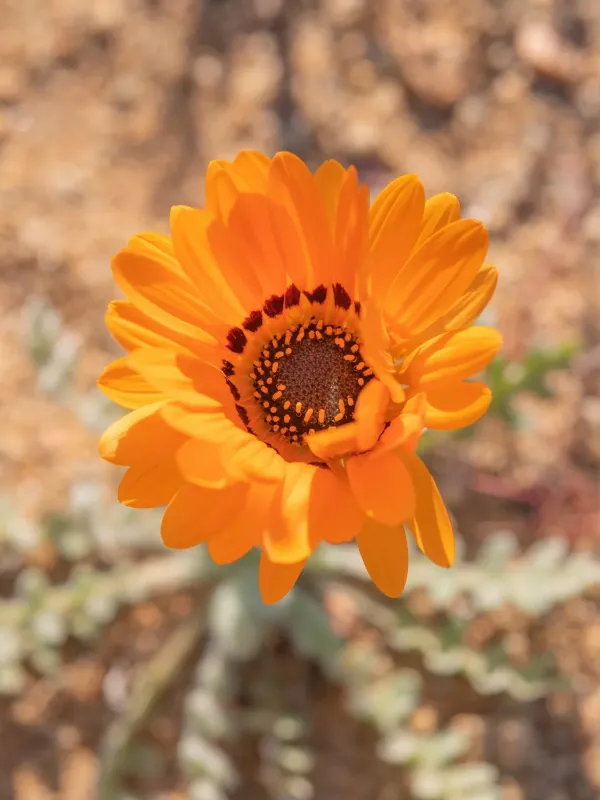
Arctotis fastuosa, commonly known as the monarch of the veldt, is a striking annual plant belonging to the Asteraceae family. To ensure early flowering, seeds should be sown indoors in late winter or early spring, approximately six to eight weeks before the last expected frost.
The seeds require a warm environment for germination, ideally around 20 degrees Celsius. It is crucial to use a light, well-draining seed-starting mix and cover the seeds lightly, as they need a consistent, slightly moist environment without becoming waterlogged.
Once the seedlings develop their first true leaves, they should be pricked out into individual pots. This practice helps to strengthen the root system and prevents competition for space, which is essential for producing robust transplants ready for the garden.
In regions with mild climates, seeds can be sown directly into the soil once the ground has warmed up significantly. The plants are best placed in their final location when they are healthy and well-established to avoid transplant shock.
Space the plants about 30 centimeters apart to allow for proper air circulation, which is key to preventing fungal diseases. Proper spacing also ensures that each plant receives adequate sunlight, which is vital for the development of its vibrant, daisy-like flowers.
Growing requirements
This species thrives in full sun, making it an excellent choice for open, sunny borders and garden beds. Shade often results in leggy growth and reduced flowering, so choosing the brightest spot in the garden is essential for success.
The ideal soil for Arctotis fastuosa is sandy, gritty, or well-drained loam. While it is not particularly demanding regarding soil fertility, it is highly sensitive to waterlogged conditions, which can quickly lead to root rot and plant death.
Known for its drought tolerance, this plant is well-suited to hot, dry summers. Once the plants are established, they require minimal supplemental watering, allowing the soil to dry out between sessions to maintain plant health.
Occasional fertilization with a balanced, low-nitrogen plant food can enhance blooming. Excessive nitrogen should be avoided as it encourages leafy growth at the expense of the signature flowers, which are the main appeal of this horticultural crop.
Regular deadheading of spent blooms is highly recommended. By removing faded flowers, gardeners can prevent seed set and encourage the plant to divert its energy toward producing more buds, thereby extending the blooming season significantly.
Main diseases and pests
Powdery mildew is a common concern, especially during periods of high humidity or poor air movement. To manage this, ensure adequate spacing between plants and utilize fungicides if white, powdery spots appear on the foliage.
Root rot is the most serious threat, typically resulting from overwatering or poorly drained soil. Prevention is the best cure: always ensure the planting site provides excellent drainage and avoid heavy, clay-based soils that retain too much moisture.
Aphids can occasionally cluster on the tender tips of the stems and flower buds. These insects can be managed by washing the plants with a gentle stream of water or applying insecticidal soap if the infestation becomes heavy enough to cause damage.
Spider mites may appear in hot, dry weather conditions, causing the leaves to look stippled or yellow. Increasing humidity around the plant or using a specific miticide can help control these pests effectively without harming the decorative quality of the flowers.
Maintaining a clean garden bed is a key strategy for pest management. Removing fallen debris and weeds reduces the habitat for potential insect pests and prevents the spread of pathogens that might affect the health and vigor of your plants.