
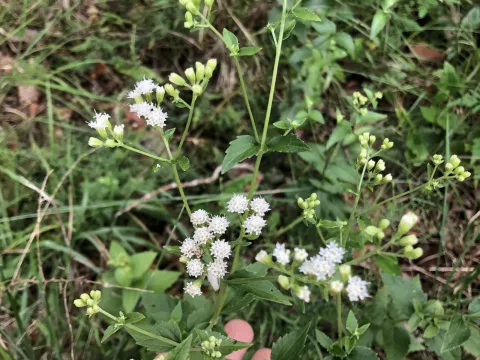
Ageratina aromatica
Ageratina aromatica
Sowing seeds of Ageratina aromatica is best performed in late winter or early spring using a greenhouse environment to produce healthy seedlings. The seeds require a cold stratification period to break dormancy and ensure uniform germination.
What the section contains
Ageratina aromatica
Seedlings should be transplanted to the garden only after the danger of spring frost has completely passed. The soil temperature should ideally reach 10–12 degrees Celsius to facilitate robust establishment of the root system.
Direct outdoor sowing is possible in regions with mild winters, where natural stratification occurs during the cold months. Sowing should be done in prepared, weed-free soil to minimize competition during the early growth stages.
Proper spacing is crucial for this species, with a recommended density of 4 to 6 plants per square meter to encourage healthy airflow and prevent overcrowding. Ensure the site receives adequate light according to local climate conditions.
Post-transplantation care requires consistent, moderate moisture levels. While the plant can handle some dryness once mature, young plants must have adequate soil moisture to establish their root systems effectively during the first season.
Ageratina aromatica, a member of the Asteraceae family, is a herbaceous perennial native to eastern North America. It is characterized by its pleasing scent and delicate white flowers that bloom in late summer to autumn.
This plant thrives in fertile, loose, and well-drained soils with a slightly acidic to neutral pH. In heavy or clay-based soils, adding organic matter or grit is necessary to improve drainage and prevent root rot.
While the plant is known for its tolerance to partial shade, it often reaches its peak floral production when provided with dappled sunlight or partial exposure. Light quality significantly influences the intensity of its natural aroma.
Regarding water requirements, the plant shows good drought resistance once fully established in the landscape. However, during periods of extreme heat or dry spells, supplementary watering is recommended to maintain optimal foliage quality.
Winter hardiness is a notable trait of this species, allowing it to survive temperate winters. In regions with harsh, snowless winters, applying a layer of organic mulch around the base of the plant provides vital protection against freezing temperatures.
The primary economic use of Ageratina aromatica is within ornamental landscaping and native plant gardening. Its ability to attract beneficial pollinators makes it a valuable addition to biodiversity-focused gardens and meadow-style plantings.
As a nectar-rich plant, it supports local bee populations, which indirectly benefits the productivity of surrounding crops by increasing pollination rates. This ecological value makes it a favorite among conservation-minded gardeners.
The foliage and flowers are increasingly utilized in florist design for their longevity in bouquets. Their subtle fragrance adds a natural, rustic element to indoor arrangements, appealing to the growing market for local, organic floral products.
Cultivation for seed production or specialty nurseries remains a niche but steady sector for commercial growers. High-quality seed stock is always in demand for restoration projects aimed at reclaiming native habitats with local flora.
With proper care, a single planting can remain productive for several years, offering a low-maintenance return on investment. The plant’s ability to persist in the landscape reduces the need for frequent replanting or soil disturbance.
Common pests affecting Ageratina aromatica include aphids and spider mites, which typically target new growth. Monitoring during dry weather is essential, as these pests tend to thrive in low-humidity environments.
Fungal issues such as powdery mildew can become a concern if the plants are placed in stagnant air conditions or if foliage remains damp for extended periods. Ensuring good spacing and adequate sunlight reduces the risk of these infections.
Management of these threats is best achieved through cultural practices rather than heavy chemical reliance. Keeping the planting area tidy and ensuring soil fertility strengthens the plant's natural defenses against common pathogens.
Root rot is largely preventable through proper drainage management. Avoiding waterlogged soil conditions and ensuring the crown of the plant is not buried too deeply during planting are key steps to maintaining plant longevity.
Early detection of pest infestation allows for targeted intervention, often involving simple biological controls. A healthy, well-nourished plant will demonstrate a significantly higher resilience to the occasional presence of insects or fungal spores.