
Adenostemma
Adenostemma
Adenostemma is a genus of herbaceous plants belonging to the Asteraceae family. These plants are native to pantropical regions, thriving in humid, warm environments across various continents including Asia, Africa, and the Americas.
What the section contains


Adenostemma
In an agricultural context, the plant requires fertile, well-draining soils with consistent moisture levels. It performs best in environments that mimic tropical conditions, with high ambient humidity and temperatures generally ranging between 22 and 28 degrees Celsius.
Soil management should focus on maintaining a slightly acidic to neutral pH. Regular applications of organic matter are highly beneficial, as they support the vigorous growth and development of the biomass typical for this genus.
The plant demonstrates a notable ability to adapt to varying light conditions, although it generally prefers filtered sunlight over direct, harsh exposure. Proper spacing is essential to ensure adequate airflow, which is a key factor in managing the plant's health.
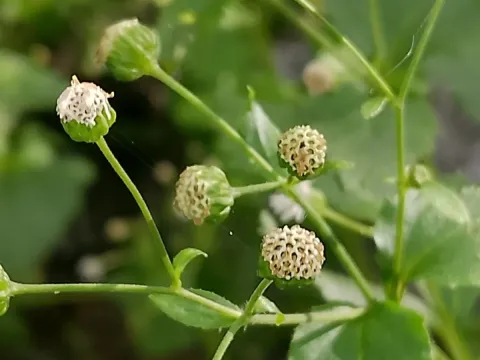
Botanically, the genus is characterized by its opposite leaves and small, white or yellowish discoid flower heads. The stems are often succulent at the base and can be significantly branched, depending on the availability of nutrients and water.
Common threats to the health of the crop include various fungal pathogens such as downy mildew and stem rot. These diseases are largely triggered by excessive soil saturation and poor drainage, which compromise the plant's vascular system.
Pests that frequently infest Adenostemma include spider mites, whiteflies, and aphids. These insects feed on the sap, causing significant stress to the plant and acting as vectors for secondary viral infections.
Effective control measures require an integrated pest management (IPM) strategy. This involves the use of environmentally safe pesticides alongside manual removal of heavily infested parts to prevent further spread within the field.
Maintaining a clean cultivation environment is essential for preventing the buildup of pest populations. Clearing debris and managing surrounding weeds can drastically reduce the pressure from common agricultural pests.
Regular crop rotation and the use of healthy, disease-free propagation material are recommended to ensure long-term crop productivity. Monitoring for early symptoms of infestation is crucial for timely and effective intervention.