
Aetheorhiza
Aetheorhiza
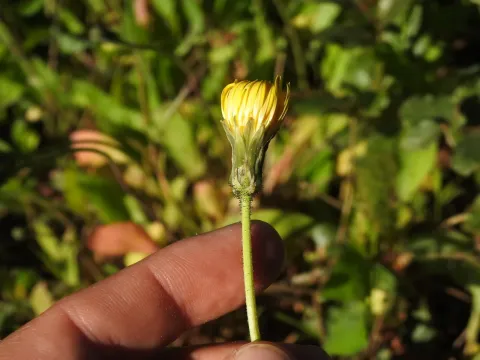
Aetheorhiza is a genus of herbaceous flowering plants belonging to the Asteraceae family, with Aetheorhiza bulbosa being its most representative species.
What the section contains

Aetheorhiza
The plant is native to the Mediterranean region, where it has evolved to thrive in environments characterized by distinct seasonal moisture patterns.
A defining biological feature of this genus is the presence of root tubers, which serve as storage organs to survive periods of summer dormancy.
Sowing typically takes place in autumn, aligning with the onset of the rainy season to facilitate successful germination and initial establishment.
The seeds should be sown at a shallow depth in well-prepared seedbeds, ensuring they receive enough soil contact while avoiding deep burial.
Aetheorhiza requires light, well-draining soils to prevent waterlogging, which is detrimental to the development of its tuberous root systems.
Regarding climate, the plant prefers temperate conditions with mild winters and requires significant exposure to sunlight for optimal productivity.
Soil pH should ideally be neutral or slightly alkaline to facilitate the efficient uptake of essential nutrients during the growing phase.
Effective agronomic management includes regular weeding, as the plant does not compete well with vigorous invasive grasses or broadleaf weeds.
Fertilization should be handled with care, focusing on phosphorus and potassium levels to support the development of storage organs rather than just biomass.
The primary threats to the crop include fungal diseases, particularly those affecting roots and leaves during damp and cool weather spells.
Root rot, caused by excessive soil moisture and poor drainage, represents a significant risk to the health and longevity of the plant population.
Powdery mildew can occasionally affect foliage, reducing the photosynthetic efficiency and potentially stunting the growth of affected plants.
While insect pests like aphids are common, they are usually manageable through standard monitoring and preventative cultural practices.
Sustainable pest control relies heavily on proper crop rotation and ensuring the plant population is not overcrowded, which promotes better air circulation.