
Adenostyles
Adenostyles
Adenostyles is a genus of perennial herbaceous plants belonging to the Asteraceae family. Native primarily to the mountainous regions of Europe, such as the Alps and the Pyrenees, these plants are highly adapted to cool, moist environments found in alpine meadows and damp forest margins.
What the section contains


Adenostyles
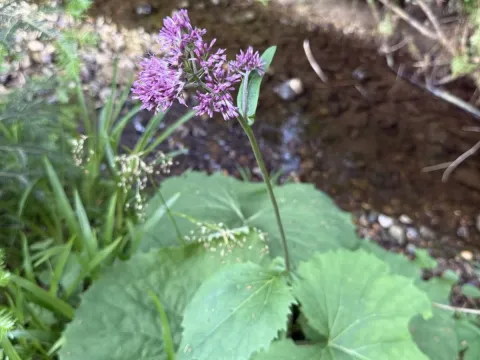
The botanical structure of Adenostyles is characterized by large, cordate or kidney-shaped leaves supported by robust petioles. The plant typically reaches a height of 30 to 100 centimeters, producing dense corymbs of tubular flowers that display colors ranging from pale pink to deep purple, depending on the specific species.
Regarding cultivation requirements, Adenostyles thrives in locations that mimic its native mountain habitat. This means providing consistently moist, humus-rich soil that is well-draining. The plant is particularly suited for shaded or semi-shaded areas of a garden where sunlight is indirect and filtered.
Successful management of this crop involves maintaining soil moisture throughout the growing season. While the plant loves water, it is imperative to avoid waterlogged conditions, as this can lead to root rot. Mulching is highly recommended to keep the root zone cool and retain the necessary moisture level.
Although not a traditional agricultural crop, Adenostyles is valued in specialized horticulture for its ability to stabilize damp, shaded soil patches. It serves as an excellent ground cover in rock gardens or woodland settings, providing lush foliage texture and subtle floral interest during the summer months.
The most significant threats to Adenostyles include various fungal pathogens that flourish in high-humidity settings. Leaf spot diseases and powdery mildew are common issues that occur if air circulation around the plants is restricted or if the foliage remains wet for prolonged periods.
In terms of pests, mollusks like slugs and snails are the primary concern, as they find the broad, succulent leaves of Adenostyles highly palatable. Additionally, aphid infestations may occur in dense plantings, necessitating careful monitoring and the application of appropriate cultural or organic pest control methods.