
White snakeroot
Ageratina altissima (L.) R. M. King et H. Rob.
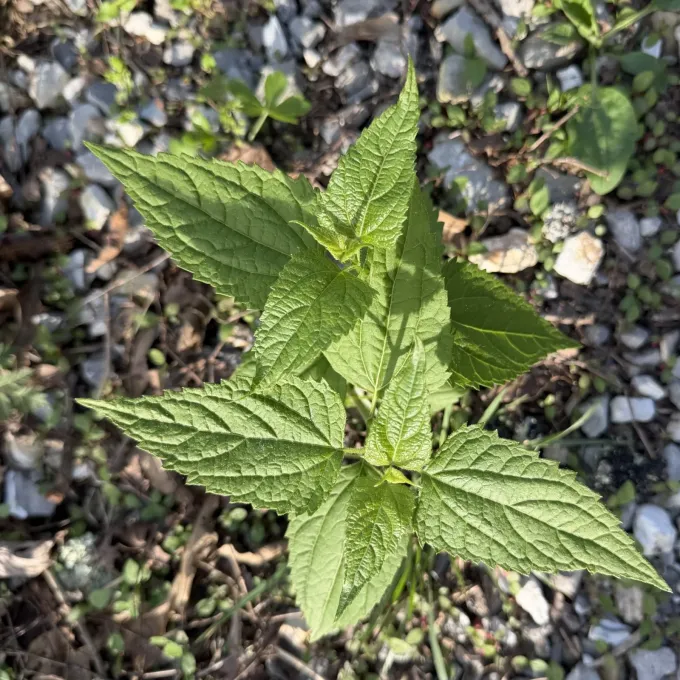
Description
Sowing dates
White snakeroot (Ageratina altissima) propagates primarily through seeds or by division of root clumps. Seeds should be sown in the spring after the soil has warmed up, ideally in late April or early May for outdoor cultivation.
For greenhouse or container production, seeds are sown in late winter. They require a cold stratification period of several weeks to break dormancy and ensure consistent germination rates, typically occurring at 18–22 degrees Celsius.
Surface sowing is recommended, as the seeds need light to germinate properly. A light dusting of vermiculite can help maintain the necessary moisture levels without burying the seeds too deeply in the potting medium.
Once seedlings have developed two sets of true leaves, they should be transplanted into individual pots to facilitate root development. This process ensures that the young plants are strong enough to withstand the environment upon final planting.
Transplanting into the permanent garden or plot should occur once all danger of frost has passed. Spacing is crucial, as the plant can spread quite vigorously via its rhizomes over several seasons.
Growing requirements
As a member of the Asteraceae family, Ageratina altissima thrives in temperate climates. It is native to woodland areas and thus prefers nutrient-rich, moist soils with a moderate amount of organic matter.
The plant is highly versatile regarding sunlight, growing well in partial shade or even full sun, provided the soil moisture remains consistent. It does not tolerate prolonged drought conditions, which can lead to wilting and reduced plant vigor.
Soil pH should ideally be kept in the range of 6.0 to 7.0 for optimal nutrient uptake. Proper soil structure is essential, as heavy clay soils can lead to stagnant water and root health issues during the dormant winter months.
Cultivation practices include weeding in the early stages and mulching to retain soil moisture during the summer heat. In productive environments, thinning out dense growth ensures better air circulation, reducing the risk of disease.
Regular fertilization is not strictly necessary unless the soil is particularly nutrient-poor. If desired, a balanced, slow-release fertilizer applied in early spring is sufficient to encourage lush foliage and flower development.
Main diseases and pests
The primary concern regarding white snakeroot is its toxicity to livestock. The plant contains a potent toxin called tremetol, which causes a condition known as milk sickness in cattle, sheep, and horses that ingest it.
Powdery mildew is the most common fungal disease affecting the foliage, especially in humid and poorly ventilated conditions. Management involves using appropriate fungicides and improving air circulation around the plants.
Insects like aphids and spider mites may target the plant during hot, dry spells. These pests can be effectively managed with insecticidal soap or biological control methods to maintain plant health without harmful chemical residues.
Root rot represents a significant danger, particularly in poorly drained soils or areas prone to waterlogging. To mitigate this risk, avoid overwatering and ensure that the growing site has an adequate drainage system.
Due to its potential to spread aggressively via seed dispersal, it is important to monitor the surrounding area. Removing flower heads before they seed is a standard practice to prevent the plant from becoming an invasive issue on agricultural land.