
Privet-leaf ageratina
Ageratina ligustrina (DC.) R. M. King & H. Rob.
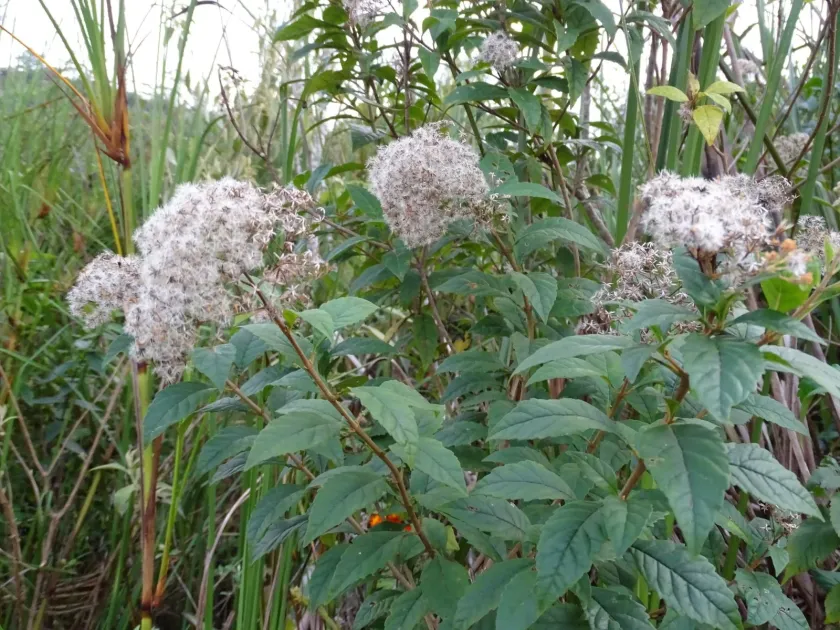
Description
Growing requirements
Ageratina ligustrina is a species of flowering shrub belonging to the Asteraceae family. It is recognized for its dense foliage and clustered white flowers that provide a significant aesthetic value.
The plant is native to the mountainous cloud forests of Mexico and parts of Central America. This evolutionary history dictates its preference for temperate climates with consistent moisture levels.
Cultivation requires well-draining, nutrient-rich soil. It thrives in loamy substrates with a balanced pH level. Proper site preparation is essential to prevent waterlogging which the root system cannot tolerate.
Exposure to partial sun or dappled light is ideal for maintaining the plant's vigor. In intense sunlight, it may require occasional irrigation to maintain leaf turgidity during the hottest months.
Economically, this species serves as a popular ornamental plant in landscape gardening. Its fragrant blossoms also make it a beneficial plant for supporting local pollinator populations.
Main diseases and pests
Aphids and spider mites are the most common pests encountered during the growing season. These insects feed on sap and can cause significant foliage discolouration if left untreated.
Powdery mildew is a frequent fungal threat in humid environments with poor air circulation. Symptoms appear as a white, dusty layer on the leaves, which inhibits photosynthesis.
Root rot is typically caused by poorly drained soil or over-irrigation. It is a critical issue that can lead to rapid wilting and the total loss of the shrub if detected late.
Leaf spot diseases can also occur, particularly in seasons with high rainfall. Pruning to ensure proper canopy airflow is an essential management practice to mitigate this risk.
Implementing a strict maintenance schedule, including regular monitoring and the removal of affected branches, is vital for ensuring the longevity and health of the shrub.