
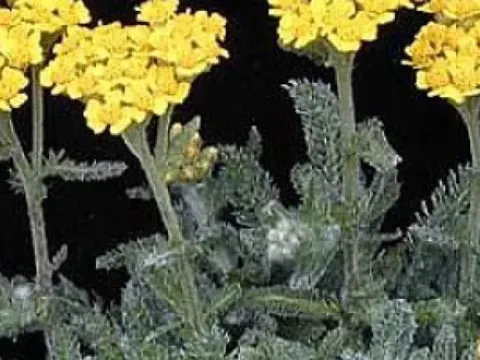
Lewis yarrow
Achillea lewisii
Lewis yarrow (Achillea lewisii) is a perennial herbaceous plant belonging to the Asteraceae family. Known for its tidy, compact growth habit, it is a highly valued cultivar in rock gardens and ornamental landscapes.
What the section contains
Lewis yarrow
Botanically, it forms dense mats of fern-like, silvery-green foliage. During the blooming season, it produces flat-topped clusters of flowers that stand out against its delicate, finely cut leaves, providing a distinct textural contrast in garden designs.
The plant thrives in full sun exposure. Adequate sunlight is crucial to maintain the compact shape of the plant; if grown in partial shade, the stems tend to become leggy, losing their compact and ornamental appeal.
Regarding soil requirements, Lewis yarrow prefers well-draining, gritty, or sandy soils. It is remarkably tolerant of poor, infertile conditions but cannot tolerate stagnant moisture, especially during the winter months, which can lead to root rot.
This species is well-adapted to drought once established, making it an excellent candidate for xeriscaping or low-maintenance gardening. Its hardy nature allows it to withstand various temperature fluctuations throughout the growing season.
The primary concern for Lewis yarrow health is the management of fungal infections caused by excessive humidity. Powdery mildew can occur if air circulation is poor, necessitating well-spaced plantings.
Root rot is the most serious threat, often caused by poorly drained soil or over-irrigation. It is essential to ensure that the soil remains relatively dry, especially in climates with high seasonal rainfall.
Pests like aphids and spider mites may occasionally infest the plant, particularly in hot and dry weather. These pests suck sap from the tender parts of the foliage, potentially stunting the overall growth of the plant.
Management involves regular inspection of the plants to identify early signs of infestation. Integrated pest management, including the use of targeted insecticidal soaps or horticultural oils, is effective in keeping populations under control.
Proactive care involves pruning away dead or diseased foliage to enhance airflow and applying fungicides only when disease outbreaks are identified. Maintaining clean garden beds reduces the likelihood of these common horticultural threats.