
Leucophyta
Leucophyta
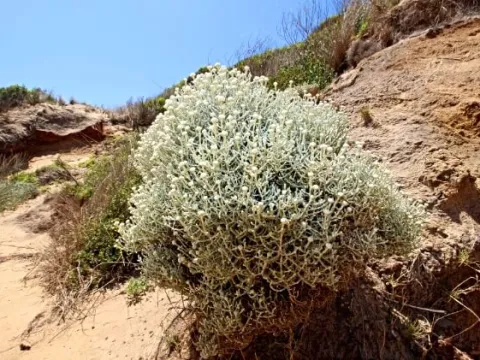
Leucophyta, commonly known as the cushion bush or Calocephalus brownii, is a unique member of the Asteraceae family. Native to the coastal regions of Australia, this semi-shrub has evolved to thrive in harsh environments, characterized by sandy soils and exposure to salt spray.
What the section contains
Leucophyta
The plant is highly prized for its distinctive silver-grey, tangled, wire-like stems that form a neat, dense, mound-like structure. It serves as an excellent focal point in Mediterranean-style gardens, rock gardens, and container arrangements due to its architectural appearance.
To ensure healthy growth, Leucophyta requires full sun exposure. It is a heliophilic plant, meaning it needs maximum solar radiation to maintain its characteristic silver foliage and compact growth habit; shaded locations will cause the plant to become leggy and lose its vibrant color.
Soil requirements are strict regarding drainage. The plant thrives in poor, sandy, or gritty soils with a neutral to slightly alkaline pH. It cannot tolerate heavy clay or waterlogged conditions, which will rapidly cause root rot and death.
In cooler climates, Leucophyta is treated as an annual or a tender perennial. Because it is not frost-hardy, it must be protected from freezing temperatures. It is best cultivated in pots that can be moved indoors or to a greenhouse during winter months.
The primary threat to Leucophyta is fungal infection, particularly root rot, which is almost always a result of excessive moisture. Water management is critical; the growing medium should be allowed to dry out significantly between watering sessions.
Good air circulation is essential for the health of the plant. Dense foliage can trap humidity, creating an ideal environment for mold and fungal pathogens. Pruning or thinning out congested stems can help improve airflow and prevent these issues.
Pests such as aphids and spider mites can occasionally affect the plant, particularly when it is kept indoors or in a greenhouse environment with low humidity. Monitoring the tips of the branches is essential for early detection.
Integrated pest management should be employed if infestations occur. This includes manual removal for small numbers or the use of appropriate systemic insecticides if the damage to the aesthetic value of the plant becomes significant.
Cultural practices such as clean sanitation—removing any dead plant debris—and using sterile potting mixes are the best defense against long-term disease issues. Keeping the crown of the plant dry is a fundamental rule for successful cultivation.