
Leucanthemum sylvaticum
Leucanthemum sylvaticum
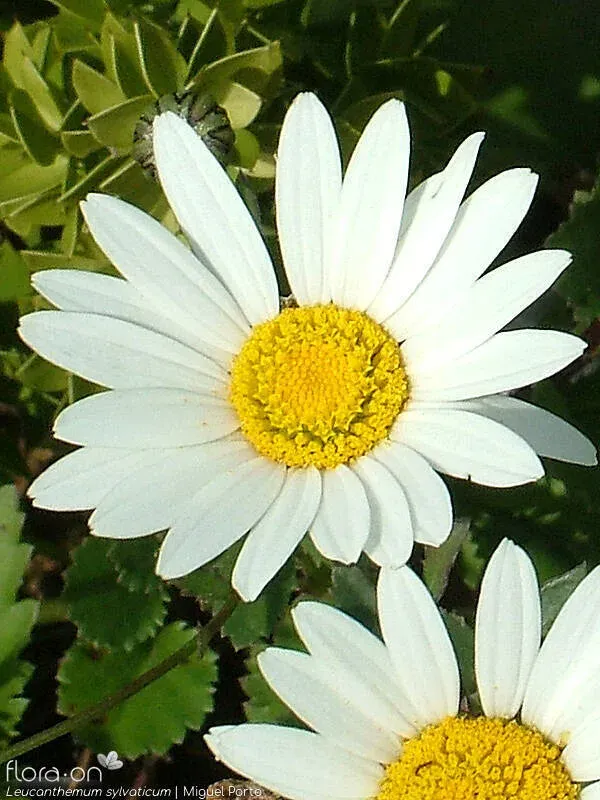
Description
Sowing dates
Leucanthemum sylvaticum is a perennial member of the Asteraceae family. Seeds should be sown in spring or early autumn to ensure strong root establishment before the onset of extreme seasonal temperatures.
For nursery production, seeds are sown in trays under controlled conditions. Maintaining a consistent temperature of 18–20°C is critical for uniform germination, which typically occurs within two to three weeks.
Seedlings are transplanted once they reach the two-leaf stage. A spacing of 30x40 cm is recommended in the field to optimize nutrient access and air circulation, effectively reducing the risk of fungal outbreaks.
The crop thrives in well-drained, fertile soil. Before sowing, the soil should be amended with organic compost to provide a steady supply of nutrients, as the plant is a prolific bloomer requiring substantial energy.
While the plant is hardy, proper site selection is paramount. It performs best in areas that receive ample sunlight but are shielded from the intense heat of the afternoon, especially in southern climates.
Growing requirements
Leucanthemum sylvaticum requires moist but well-drained soil. It is intolerant of waterlogged conditions, which can lead to crown rot and reduced lifespan of the perennials.
Moderate fertilization is recommended. Over-fertilization with nitrogen can result in excessive vegetative growth at the expense of flower production; therefore, a balanced NPK fertilizer is preferred.
Water management is crucial during the growing season. While the plant can withstand occasional dry spells, consistent moisture during the budding stage ensures larger and more vibrant flower heads.
Soil pH should be near neutral, ranging from 6.0 to 7.0. Adjusting the pH with agricultural lime in acidic soils or sulfur in highly alkaline soils may be necessary to achieve these optimal levels.
Winter care involves mulching around the base to protect roots from drastic freeze-thaw cycles, although the plant possesses excellent innate frost tolerance in temperate zones.
Main diseases and pests
Powdery mildew is the most common fungal challenge for Leucanthemum sylvaticum. Good air circulation and proper spacing are the primary defensive measures against this infection.
Pests such as aphids and leaf miners can cause damage to tender foliage. Early detection is key; localized applications of insecticidal soap or neem oil are usually sufficient to control infestations.
Crown rot, caused by various soil-borne fungi, remains a threat in damp climates. Improving soil drainage through the addition of organic matter or gravel is the most effective preventative strategy.
Nematodes may occasionally infest the root system, causing stunted growth. Crop rotation is highly recommended if symptoms persist in a particular sector of the field.
- Utilizing clean tools to prevent the spread of soil-borne pathogens.
- Removing and destroying infected plant debris.
- Monitoring irrigation to avoid saturated surface conditions.
Harvesting
Harvesting for floral use is best done when the outer florets are just starting to unfold. This stage ensures the longest vase life and maintains the visual appeal of the inflorescence.
Deadheading, or the removal of spent flowers, is a essential cultural practice. By preventing seed set, the grower encourages the plant to allocate its energy toward producing secondary flower flushes.
Seed harvesting should be performed when the central disk of the flower turns brown and begins to dry out. The heads are collected, dried, and cleaned to prepare for the next season's sowing.
For industrial applications, mechanized harvesting is utilized during the late flowering stage. Post-harvest, the foliage is processed or composted to maintain hygiene in the field.
Field maintenance includes cutting the plants back to ground level in late autumn. This practice clears away dead biomass, minimizing the overwintering sites for potential pathogens and pests.