
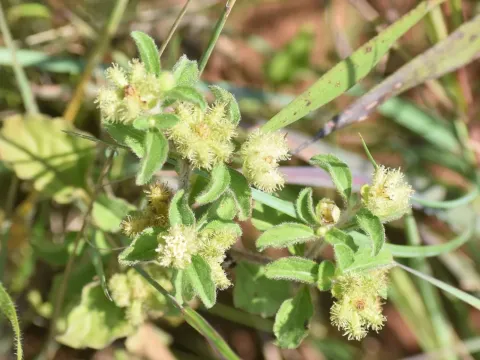
Acanthospermum xanthioides
Acanthospermum xanthioides
Acanthospermum xanthioides is an annual herbaceous plant belonging to the Asteraceae family. In agricultural settings, it is primarily recognized as a troublesome weed that affects pastures, crops, and disturbed lands.
What the section contains
Acanthospermum xanthioides
The plant originates from South America but has become naturalized in many tropical and subtropical regions globally. Its success as an invasive species is largely due to its robust nature and high reproductive rate.
Botanically, it is characterized by its branching stems and distinct spiny fruits. These fruits have hooked spines that attach easily to animal fur and clothing, facilitating long-distance dispersal through human and animal movement.
The species thrives in sunny, open habitats and can tolerate a wide variety of soil types, including those with low fertility. It is highly drought-tolerant, which allows it to persist in arid environments where other vegetation might struggle.
Agronomic management relies heavily on prevention and early intervention. Strategies include deep tillage to bury seeds, repeated mowing before seed set, and the strategic application of herbicides in areas with high infestation levels.
The primary economic threat posed by this plant is the degradation of wool quality in sheep farming, as the spiny burs become deeply embedded in the animal's fleece, causing injury and reducing market value.
Acanthospermum xanthioides serves as a host for various insect pests and pathogens that can transfer to and damage neighboring commercial crops, leading to indirect economic losses.
The weed competes aggressively for water and nutrients, significantly reducing the yield potential of crops such as maize, soybeans, or fodder grasses when not properly managed.
Persistence of the soil seed bank is a major challenge; seeds can remain viable for several years, necessitating long-term monitoring and consistent management programs on infested fields.
Integrated pest management (IPM) practices, including the use of competitive cover crops and strict field sanitation, are essential to minimize the spread and impact of this invasive weed.