
Fatsia
Fatsia
Fatsia is a genus of evergreen shrubs belonging to the Araliaceae family. Native to Japan and South Korea, these plants typically thrive in the humid, shaded environments of temperate forests where they form dense, lush undergrowth.
What the section contains
Fatsia
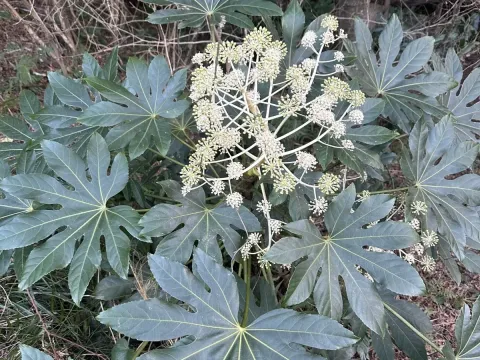
The botanical structure of the plant is defined by its large, leathery, palmately lobed leaves that create a distinct tropical aesthetic. When grown in favorable environments, it maintains a robust evergreen habit throughout the year.
Successful cultivation requires well-draining, nutrient-rich soil with a slightly acidic or neutral pH. Proper drainage is essential to prevent root rot, which is the most significant physiological risk for this species in cultivation.
Fatsia prefers moderate climate conditions, ideally ranging from 18°C to 22°C during the growing season. In cooler regions, they are commonly grown as indoor ornamental plants, requiring consistent light and protection from extreme temperature fluctuations.
Agricultural management involves regular watering, ensuring the soil remains moist but never waterlogged. Because they originate from humid regions, maintaining a high level of air humidity through misting is highly beneficial for leaf health.
The plant is susceptible to common houseplant pests, including spider mites and scale insects. These organisms often thrive in dry indoor air, making regular inspection and proper hygiene of the foliage critical for disease prevention.
Pathological issues are typically linked to suboptimal growing conditions, primarily improper irrigation. Excess water in the substrate leads to root decay, causing yellowing leaves and eventually stem rot, which can prove fatal if not managed promptly.