
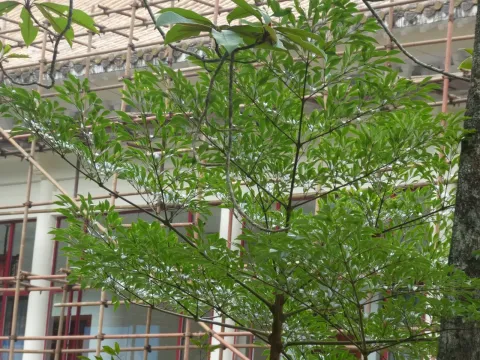
Heteropanax
Heteropanax
Heteropanax is a genus of evergreen trees and shrubs belonging to the Araliaceae family. Known for its elegant, compound foliage, it is frequently cultivated as an ornamental plant in tropical and subtropical regions across Asia.
What the section contains


Heteropanax
The plant originates from the diverse climatic zones of the Asian continent, specifically India and southern China. It thrives in environments characterized by high humidity and warm temperatures, making it a sensitive species in temperate cultivation.
Optimal growth requires fertile, well-drained soil with a slightly acidic to neutral pH. A loose soil structure is crucial to allow proper aeration and to prevent root system suffocation, which is a common issue in compacted potting mixes.
In terms of light, Heteropanax prefers bright, filtered sunlight. Direct midday sun can scorch the delicate leaves, whereas low-light conditions often lead to sparse, elongated growth, reducing the plant's aesthetic appeal.
Cultivation practices involve consistent watering during the growing season, coupled with monthly feeding using a balanced liquid fertilizer. Monitoring the humidity levels is essential, as the plant responds poorly to dry air conditions typically found indoors.
Pests such as spider mites, aphids, and scale insects are the primary threats to Heteropanax. These pests thrive in dry environments and can quickly infest the foliage, leading to yellowing and premature leaf drop if left unchecked.
Fungal diseases are predominantly related to excess moisture. Root rot is the most serious threat, usually caused by overwatering or poor drainage systems that keep the roots in constantly soggy conditions, leading to necrosis of the root collar.
Cultural control strategies include maintaining good air circulation around the canopy and ensuring the top layer of the soil dries out before the next irrigation. These simple practices significantly reduce the risk of mold and fungal pathogens.
In cases of severe infestation, targeted applications of systemic insecticides or horticultural oils are recommended. It is vital to treat both the top and underside of the leaves, where pests typically reside and reproduce.
Regular sanitation, such as removing fallen leaves and pruning dead branches, helps in preventing the build-up of potential disease vectors. Healthy, well-nourished plants are generally more resilient to incidental pest outbreaks and minor environmental stressors.