
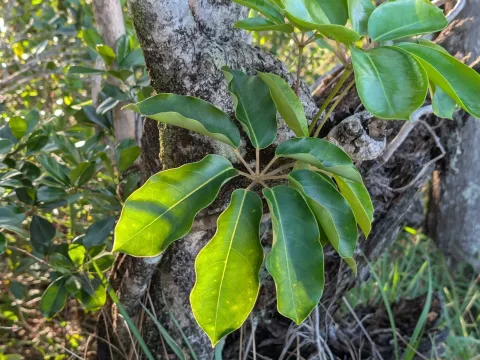
Heptapleurum
Heptapleurum
Heptapleurum, often classified within the Schefflera genus, belongs to the Araliaceae family. It is a robust tropical ornamental plant that thrives in environments with stable temperatures ranging from 18°C to 24°C.
What the section contains
 Alpine Heptapleurum
Heptapleurum alpinum
Alpine Heptapleurum
Heptapleurum alpinum
 Dwarf umbrella tree
Heptapleurum arboricola
Dwarf umbrella tree
Heptapleurum arboricola
 Heptapleurum bodinieri
Heptapleurum bodinieri
Heptapleurum bodinieri
 Heptapleurum farinosum
Heptapleurum ridleyi
Heptapleurum ridleyi
Heptapleurum farinosum
Heptapleurum farinosum
Heptapleurum ridleyi
Heptapleurum ridleyi
 Heptapleurum stellatum
Heptapleurum stellatum
Heptapleurum stellatum
 Heptapleurum taiwanianum
Heptapleurum taiwanianum
Heptapleurum taiwanianum
 Umbrella tree
Heptapleurum actinophyllum
Umbrella tree
Heptapleurum actinophyllum
Heptapleurum
Light intensity is a critical factor for healthy growth. While it prefers bright, indirect light, it should be protected from intense afternoon sunlight, which can scorch its characteristic palmate leaves and degrade the plant's overall aesthetic quality.
The substrate must provide optimal drainage to prevent waterlogging. A well-aerated, peat-based mix enriched with organic matter provides the best results for root development and nutrient uptake in both greenhouse and home environments.
Consistent watering practices are essential; the growing medium should be kept slightly moist but never saturated. During the active growth phase, liquid balanced fertilizers should be applied to support the development of its dense canopy.
Proper ventilation is vital for maintaining the plant's vigor. Stagnant air environments increase the risk of disease, whereas adequate airflow promotes strong stem development and resistance to environmental stress.
The most frequent pests affecting Heptapleurum include spider mites, mealybugs, and scale insects. These pests often congregate on the undersides of leaves, causing yellowing and premature leaf drop if left unchecked.
Root rot is the primary physiological and pathological threat, usually triggered by poor drainage or overwatering. Maintaining a proper watering cycle is the most effective preventative measure against fungal soil pathogens.
Fungal leaf spots can develop if the foliage remains wet for extended periods in high-humidity, low-airflow conditions. Ensuring that the leaves dry adequately is a standard practice in professional cultivation.
Integrated Pest Management (IPM) protocols, including the use of systemic insecticides and periodic biological inspections, are recommended to maintain high standards of plant health and visual quality.
Regular monitoring for early signs of infestation is crucial. Once identified, affected plants should be isolated immediately to prevent the spread of pests or pathogens to the rest of the cultivated batch.