
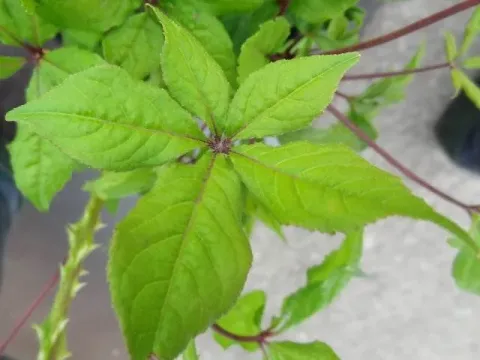
Eleutherococcus simonii
Eleutherococcus simonii
Eleutherococcus simonii is a perennial shrub belonging to the Araliaceae family. Known for its medicinal properties, this species is closely related to the well-known Siberian ginseng, sharing similar structural and chemical characteristics.
What the section contains
Eleutherococcus simonii
The plant originates from the mountainous forest regions of China. It is naturally adapted to cool, moist environments where it grows as an understory shrub, making it highly sensitive to excessive heat and direct sunlight in exposed areas.
Optimal growth requires well-drained, nutrient-rich soils. A slightly acidic to neutral pH level is ideal for the root development of this species. Poor drainage can lead to root rot, which is a significant threat to the survival of the plant in cultivation.
Climate requirements include moderate precipitation and protection from strong, drying winds. During the initial years of establishment, the plant needs consistent shade to avoid heat stress, mimicking its natural habitat beneath a forest canopy.
Agricultural management should focus on maintaining high soil porosity. Regular applications of organic mulch are highly beneficial, as they suppress weeds and maintain the consistent root zone moisture required for vigorous vegetative growth.
Commercial harvesting focuses on the roots and rhizomes, which are rich in bioactive compounds known as eleutherosides. These components are essential for the pharmaceutical industry, particularly for the production of adaptogenic health supplements.
Harvesting is typically initiated only after the plantation reaches five to seven years of age. Premature harvesting results in low concentrations of active compounds and poor economic return, making proper crop rotation planning essential for producers.
The extraction process involves manual or mechanical excavation. Once the roots are removed from the soil, they are thoroughly cleaned to remove all mineral debris, followed by slicing to facilitate efficient drying in temperature-controlled environments.
Proper moisture control during the drying phase is critical to prevent mold and ensure the stability of thermolabile chemicals. Drying temperatures must be carefully regulated to maintain the therapeutic efficacy of the final raw material.
Once dried, the product is processed into smaller fragments and packaged in breathable containers to preserve quality. Effective post-harvest management ensures that the plant remains a valuable source of medicinal extracts for the pharmaceutical market.