
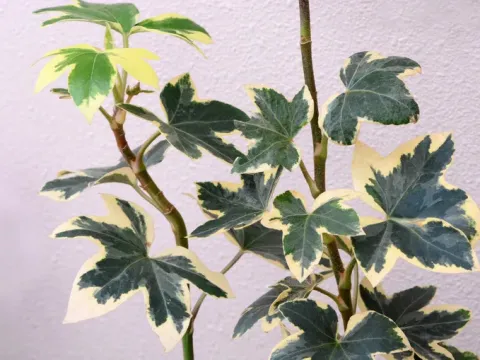
Fatshedera
Fatshedera
Fatshedera is a notable bigeneric hybrid resulting from a cross between Fatsia japonica and Hedera helix. Belonging to the Araliaceae family, it manifests as a vigorous, evergreen vine that elegantly combines the structural beauty of Fatsia leaves with the climbing habit of English ivy.
What the section contains
Fatshedera
This culture is primarily cultivated as an ornamental plant for indoor spaces, lobbies, and temperate conservatories. While it can withstand mild outdoor conditions in specific zones, it is not cold-hardy in harsh climates and is best treated as a container plant to be moved during extreme weather.
The plant thrives in bright, indirect light. Direct midday sun can severely damage the foliage, leading to scorch marks and loss of ornamental value. Conversely, while it is tolerant of shade, low light levels will significantly reduce growth rate and internode length.
Regarding substrate requirements, Fatshedera prefers a well-draining, nutrient-rich potting mix with a slightly acidic to neutral pH. Proper soil aeration is crucial; compaction of the growing medium often inhibits root development and encourages waterlogging-related issues.
Agricultural management requires consistent moisture levels during the growing season. However, it is vital to allow the top layer of the substrate to dry slightly before watering again. During winter, reduce watering frequencies to prevent root rot, as the metabolic activity of the plant decreases.
Fatshedera is commonly susceptible to typical houseplant pests, including spider mites, mealybugs, and scale insects. These pests are particularly problematic in dry indoor environments where humidity levels are chronically low during the winter months.
Root rot remains the most serious disease, usually induced by poor drainage or overwatering. The condition is often terminal once the pathogen establishes itself, as it causes systemic tissue failure and wilting despite moisture presence.
Regular maintenance is the most effective pest control strategy. Frequent leaf cleaning, combined with monitoring the underside of the foliage for early signs of infestation, can prevent small outbreaks from becoming widespread issues.
Leaf spot diseases, caused by various fungi, may occur if water is allowed to sit on the leaves for extended periods in low-light, stagnant air conditions. Improving airflow and avoiding overhead irrigation are essential cultural practices for prevention.
If chemical interventions are necessary, organic soaps or specific horticultural oils are generally sufficient for minor infestations. Always ensure the plant is adequately hydrated before applying any treatments to prevent foliage sensitivity to the chemicals.