
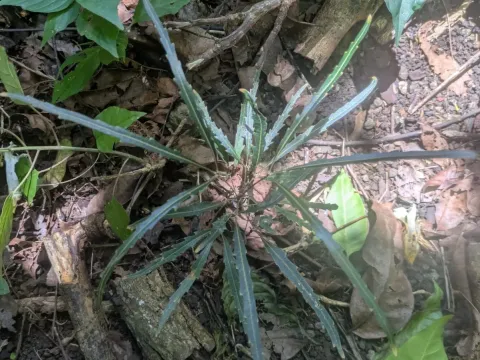
False Aralia
Dizygotheca
False Aralia (Dizygotheca) is an elegant ornamental plant belonging to the Araliaceae family. Originating from the tropical regions of the Pacific islands and Australia, it is highly valued for its dark, lace-like, palmate foliage that changes appearance as the plant matures.
What the section contains
False Aralia
The culture thrives in bright, indirect light. Direct sunlight can scorch the delicate leaves, while low light conditions lead to leggy growth and leaf loss. Ideal temperatures range from 18°C to 25°C throughout the year to maintain consistent development.
Soil requirements dictate a well-draining, nutrient-rich potting mix. A blend of peat, leaf mold, and perlite or coarse sand provides the necessary aeration and moisture retention that the roots of this species prefer.
Agrotechnical management involves maintaining high humidity levels, ideally above 60%. Frequent misting or using a humidifier is essential, especially during winter months when indoor heating significantly reduces ambient moisture levels.
Fertilization should be performed during the active growing season, from spring to autumn, using a balanced liquid fertilizer diluted to half strength. Monitoring soil moisture before watering ensures the roots do not sit in saturated soil.
The most significant threats include sap-sucking pests such as spider mites, mealybugs, and scale insects. These pests are particularly aggressive in dry indoor climates, where they can quickly weaken the plant structure.
Effective management of pest infestations requires the use of appropriate systemic insecticides or horticultural oils. Regular leaf washing is a recommended preventive measure to disrupt the life cycle of pests.
Root rot is a common physiological disorder caused by overwatering or inadequate soil drainage. Symptoms include blackening of stems and wilting despite damp soil, necessitating an immediate reduction in water and repotting.
Sudden leaf drop is often a sign of environmental stress, such as cold drafts or rapid temperature shifts. Consistent placement away from air conditioning vents and radiators is vital for the plant's health.
To ensure disease resistance, gardeners should focus on maintaining healthy root systems by using appropriate pot sizes and ensuring the soil remains light and airy throughout the cultivation cycle.