
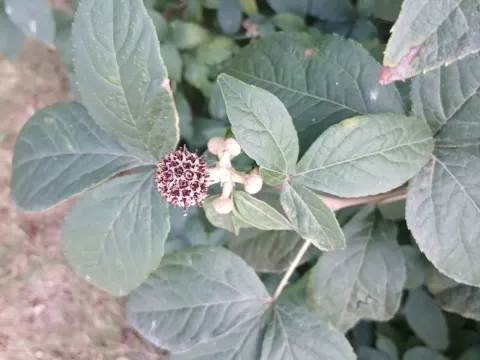
Acanthopanax sessiliflorus
Eleutherococcus sessiliflorus
Propagation of Acanthopanax sessiliflorus is primarily carried out through seeds or stem cuttings. Because the seeds possess deep dormancy, they require a prolonged stratification period of 6–8 months under fluctuating temperatures to ensure successful germination.
What the section contains
Acanthopanax sessiliflorus
Sowing should be performed in prepared beds either in late autumn or spring. Seeds are typically buried 1–2 centimeters deep in loose, well-drained soil, maintaining consistent moisture throughout the germination phase.
Vegetative propagation involves using woody cuttings harvested during the plant's dormant stage. These are planted in greenhouse environments where high humidity and temperature control facilitate the rooting process.
Transplanting seedlings to the field occurs when they are 2–3 years old. A spacing of 2.5 by 2 meters is recommended, providing ample space for the root system to expand and minimizing competition for nutrients.
In the initial growth years, the crop requires careful maintenance, including weed control and protection from intense direct sunlight. The plant is known for its slow initial growth rate, which demands patience and consistent agricultural management.
Acanthopanax sessiliflorus is a member of the Araliaceae family, closely related to Eleutherococcus senticosus. It is a deciduous shrub that can reach heights of up to 3 meters, characterized by its palmate leaves and distinctive dark-colored clusters of fruits.
The plant thrives in fertile, loamy soils that offer good drainage. It is sensitive to waterlogged conditions, making it essential to choose sites with a low water table or to install adequate drainage systems on the plot.
While the species is hardy and well-adapted to temperate climates, young plants benefit from mulch cover during winter to protect against extreme temperature fluctuations. It originates from East Asian regions, including China and Korea.
Agronomic care requires regular organic fertilization to maintain soil fertility. Irrigation is vital during dry spells, especially as the plant establishes its root system, which is somewhat shallow and prone to moisture stress.
The primary economic value of this crop lies in its pharmaceutical use. Both the roots and the fruits contain active compounds known as eleutherosides, which are valued for their adaptogenic, immune-boosting, and tonic properties.
This crop is generally resistant to many diseases, but high humidity and poor ventilation can lead to leaf spot infections. These fungal issues are most prevalent in crowded or improperly managed plantations where airflow is restricted.
Pests such as aphids and spider mites are the most common threats to the plant's vitality. By feeding on the sap of young leaves and shoots, they can weaken the plant and reduce the concentration of active medicinal compounds in the root system.
To mitigate these threats, growers should practice thinning the shrubs to promote air circulation and regularly remove any diseased branches or leaves. Cleanliness in the plantation area is the first line of defense against pests.
Chemical control should be avoided if possible and used only as a last resort before flowering begins. Whenever feasible, biological control agents should be utilized to protect the integrity of the herbal raw materials.
Monitoring the plantation for signs of stress or pest infestation is crucial for high yields. Strong, well-nourished plants are naturally more capable of resisting biotic threats without the need for intensive chemical intervention.
The harvesting of medicinal root stock typically takes place when the plant reaches between 7 and 10 years of age. By this stage, the plant has accumulated a high concentration of bioactive compounds, making it suitable for processing.
The harvest is conducted in the autumn, after the plant has entered dormancy and the leaves have dropped. This timing ensures that the energy reserves are stored within the roots rather than the foliage.
Following extraction, the roots are thoroughly cleaned of soil, sorted to remove damaged parts, and washed in clean water. Cutting the roots into smaller, uniform pieces is necessary to facilitate efficient drying.
Drying is performed either in temperature-controlled drying cabinets or in ventilated shaded areas. Temperatures should be kept below 50 degrees Celsius to prevent the degradation of sensitive phytochemical components.
Storage of the finished product requires dry, dark, and cool conditions to preserve its pharmacological quality over time. When stored in paper or burlap bags, the raw material can maintain its efficacy for several years.