
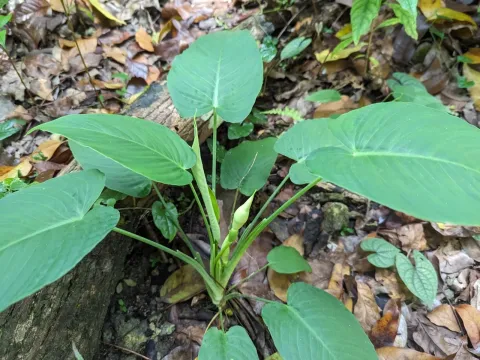
Schismatoglottis calyptrata
Schismatoglottis calyptrata
Schismatoglottis calyptrata is a tropical herbaceous perennial belonging to the Araceae family. Native to the rainforests of Southeast Asia, this species thrives in understory conditions with high humidity levels.
What the section contains
Schismatoglottis calyptrata
The optimal temperature range for this crop is between 20°C and 28°C. Being a tropical plant, it is highly sensitive to cold drafts and sudden drops in ambient temperature, which can stress the plant.
High relative humidity is essential for the healthy development of foliage. Growers often utilize humidifiers or pebble trays in indoor setups to maintain the required moisture levels around the leaves.
A well-draining, porous substrate is crucial. A mix of peat moss, perlite, and pine bark creates the ideal structure that retains enough moisture while ensuring sufficient aeration for the root system.
These plants perform best in bright, indirect light. Direct exposure to harsh sunlight can scorch the leaves, leading to irreversible aesthetic damage and decreased photosynthetic efficiency.
Root rot is the most significant threat to Schismatoglottis calyptrata, typically caused by overwatering or poor drainage. Once established, the rot can spread rapidly, requiring aggressive treatment.
Spider mites are common pests that thrive in dry environments. They cause stippling on the foliage and, if left unmanaged, can lead to severe yellowing and leaf loss across the entire plant.
Mealybugs may hide in the leaf axils, feeding on the plant's sap. Systematic inspection and the use of targeted horticultural soaps or systemic insecticides are effective measures to control these pests.
Fungal infections can manifest as spots on the foliage when air circulation is inadequate. Proper spacing between plants and good ventilation are key strategies to prevent the spread of spores.
Maintaining a clean growing environment is vital. Removing dead or decaying plant material prevents the buildup of pathogens and ensures the plant directs its energy toward healthy vegetative growth.