
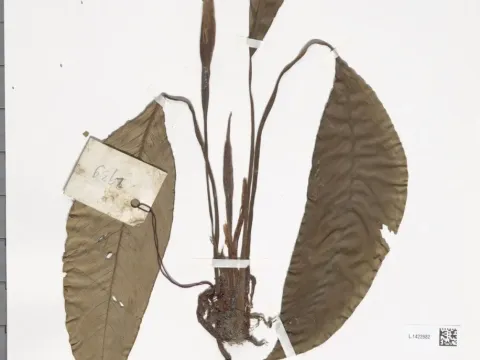
Schismatoglottis multiflora
Schismatoglottis multiflora
Schismatoglottis multiflora is a perennial herbaceous plant belonging to the Araceae family. It is native to the tropical rainforests of Southeast Asia, where it grows in the understory of dense forests.
What the section contains
Schismatoglottis multiflora
The plant thrives in environments with high humidity and consistent, warm temperatures. In cultivation, it is essential to replicate these tropical conditions by providing a stable microclimate without sudden thermal shifts.
The soil requirement is specific: it needs a loose, porous, and well-draining substrate. A mix consisting of peat, orchid bark, perlite, and activated charcoal is often recommended to prevent waterlogging.
Light intensity must be managed carefully. Schismatoglottis multiflora prefers bright, indirect light; harsh direct sunlight can cause leaf scorching and irreversible damage to the plant's aesthetic appearance.
As a decorative crop, it is mainly utilized in the indoor ornamental plant market. It is highly sought after by collectors for its attractive foliage and distinct growth habit in greenhouse collections.
Root rot is the most significant threat to the plant's health, usually caused by overwatering or poor drainage. This condition quickly leads to the death of the rhizomes if not addressed promptly.
Pests such as spider mites and mealybugs frequently target this species, especially in indoor environments with low humidity. They thrive on the underside of leaves and along the petioles of the plant.
To maintain plant vigor, growers should prioritize cleanliness, regularly removing dust from the leaf surfaces. This practice also helps in the early detection of any potential insect infestations.
Water quality is a factor that should not be overlooked; using filtered or rain water is preferable to prevent salt buildup from tap water. Salt accumulation can lead to yellowing leaves and stunted growth.
If chemical intervention is necessary, always opt for systemic insecticides that are safe for ornamental aroids. Frequent application of harsh chemicals can damage the delicate cuticle of the leaves.