
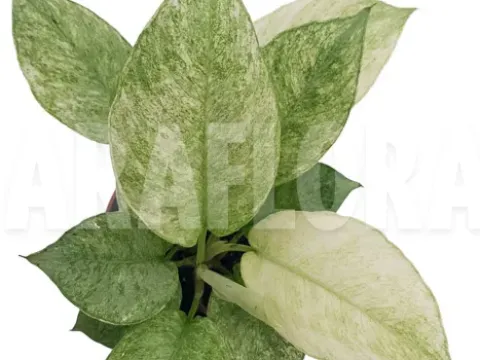
Schismatoglottis longispatha
Schismatoglottis longispatha
Schismatoglottis longispatha is a perennial herbaceous plant belonging to the Araceae family. Native to the tropical rainforests of Southeast Asia, particularly Borneo, it thrives in high-humidity environments and forest understory conditions.
What the section contains
Schismatoglottis longispatha
The plant requires a stable temperature range between +22 and +28 degrees Celsius to maintain healthy growth. It is highly sensitive to sudden temperature fluctuations and cold drafts, which can cause significant physiological stress to the foliage.
A well-draining, airy, and humus-rich substrate is essential for successful cultivation. Growers should use a mix of orchid bark, peat moss, perlite, and charcoal to prevent soil compaction and ensure proper root oxygenation.
Bright, indirect light is necessary for this species. Intense, direct sunlight will scorch the leaves, while insufficient light may result in slow development and smaller leaf size. Rotating the plant occasionally ensures even growth.
Consistent moisture is key, but the substrate should never remain soggy. Watering should be done when the top inch of the soil feels slightly dry, using filtered or distilled water to avoid mineral buildup in the sensitive root system.
Root rot is the most prevalent threat, often triggered by overwatering or poor drainage systems. This fungal issue compromises the plant's ability to absorb nutrients and can quickly become fatal if not caught early.
Spider mites are common pests that thrive in low-humidity environments. They cluster on the undersides of leaves, sucking plant fluids and leaving behind stippling patterns that ruin the aesthetic appeal of the foliage.
Mealybugs can also infest the plant, typically hiding in the leaf axils. Regular monitoring and physical removal, or the application of insecticidal soaps, are effective management strategies for these pests.
Poor ventilation can lead to the growth of fungal pathogens on the leaf surfaces, causing spots or premature yellowing. Ensuring a gentle flow of fresh air is essential for maintaining the overall health of the collection.
Good hygiene practices, including the removal of dead or decaying leaf tissue, play a vital role in preventing the spread of diseases within the greenhouse or indoor plant environment.