
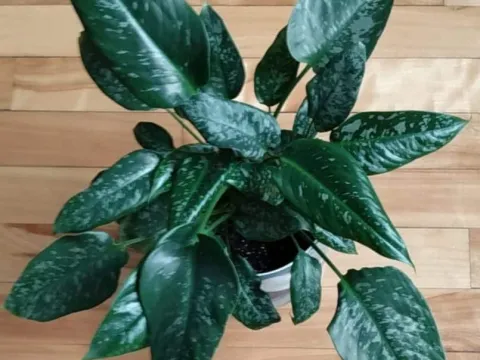
Schismatoglottis pulchra
Schismatoglottis pulchra
Schismatoglottis pulchra is a distinguished member of the Araceae family, native to the tropical rainforests of Southeast Asia. It is prized by growers for its intricate leaf patterns, which make it an attractive specimen for botanical collections and greenhouses.
What the section contains
Schismatoglottis pulchra
The plant thrives in high-humidity environments, ideally requiring levels between 70% and 80%. Exposure to bright, indirect light is essential; direct sunlight must be avoided as it can cause significant damage to the delicate leaf tissue.
Temperature requirements for this species are consistent throughout the year, preferring a range of +22°C to +26°C. It is highly sensitive to cold drafts, which can cause the plant to go into dormancy or suffer from tissue necrosis.
A well-draining, airy substrate is crucial for healthy root development. A mix consisting of peat moss, pine bark, perlite, and charcoal provides the necessary aeration and water-retention balance to ensure the roots remain healthy and rot-free.
Watering should be performed when the top layer of the soil feels dry to the touch. It is vital to use lukewarm, chlorine-free water to prevent mineral buildup and temperature shock to the root system, ensuring the substrate stays moist but never waterlogged.
Root rot is the most common threat for Schismatoglottis pulchra, typically triggered by poor drainage and excessive moisture. Once the roots are compromised, the plant struggles to uptake nutrients, leading to yellowing leaves and eventual collapse.
Spider mites are the most frequent pests associated with this plant, especially when ambient humidity is insufficient. These pests thrive in dry air, so misting and maintaining humidity are the primary cultural methods for prevention.
Mealybugs can also infest the plant, hiding in the crotches of the leaf stems. They feed on plant sap and can weaken the specimen significantly; they should be treated promptly with horticultural oils or specific systemic insecticides.
Fungal spot infections may occur if air circulation is stagnant, particularly in dense greenhouse environments. Increasing airflow and avoiding overhead watering can help mitigate these fungal risks effectively.
Regular sanitation of the growing area, including the removal of dead or decaying foliage, is highly recommended to prevent the spread of opportunistic pathogens and to maintain the aesthetic and physical health of the plant.