
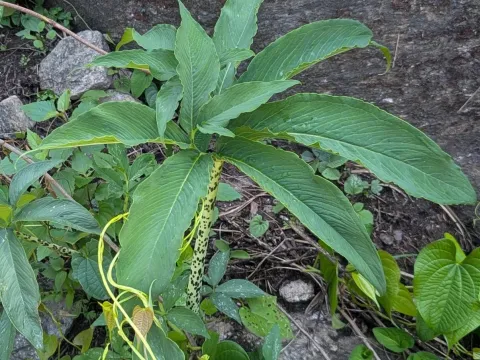
Sauromatum
Sauromatum
Sauromatum, widely known as the voodoo lily, is a fascinating bulbous plant within the Araceae family. In temperate regions, it is typically planted outdoors once the danger of frost has passed and the soil temperatures consistently exceed 15 degrees Celsius.
What the section contains


Sauromatum
The planting depth should be relatively shallow, ensuring the bulb has enough space to establish its root system without excessive pressure from the soil. A loose, well-draining medium is essential for immediate root development after the dormancy period.
Indoor cultivation is popular for this species, where it is often grown for its spectacular blooming phase. Bulbs can be placed in pots during early spring to jumpstart the growth cycle, which often leads to rapid development of the inflorescence.
For gardeners in colder climates, the bulbs must be lifted from the ground in autumn after the leaves have naturally withered. Storing them in a cool, dry place is crucial to maintain their health during the dormant stage.
Once the flowering phase is complete, the plant focuses on leaf production, which acts as an energy factory for the bulb. Ensuring the plant receives adequate light during this stage is vital for the bulb to store enough energy for the next growing season.
The ideal soil for Sauromatum is nutrient-rich, airy, and light. It thrives in loamy mixtures amended with compost, which provides necessary drainage while retaining sufficient moisture for the roots to remain active.
Water management is critical; while the plant enjoys regular hydration, it is highly susceptible to root rot in waterlogged conditions. The soil surface should be allowed to dry slightly between waterings to ensure aeration.
Sauromatum prefers partial shade, as the harsh midday sun can scorch the large, intricate leaves. It thrives in sheltered locations protected from strong winds that might break the delicate petioles of the foliage.
Regular fertilization with a balanced, organic-based fertilizer is recommended during the vegetative growth phase. High nitrogen levels support the expansive leaf growth that occurs immediately following the blooming period.
Humidity is a significant factor in plant health. Maintaining a moist environment around the plant, perhaps through misting, will ensure the leaves develop their full size and vibrant texture throughout the summer months.
The primary concern for Sauromatum growers is the development of soft rot on the bulbs. This usually results from over-watering or using a heavy, poorly drained soil mixture that keeps the bulb in constant contact with moisture.
Spider mites are common pests that thrive in the dry air conditions that sometimes occur in home environments. Keeping the foliage clean and maintaining adequate humidity is the best way to prevent infestation.
Aphids can sometimes attack the soft tissues of the emerging leaf, causing deformation. Manual removal or the use of insecticidal soaps is usually sufficient to address these minor pest problems.
Fungal issues such as leaf spot can occur if the foliage remains wet for extended periods in poor ventilation. Good air circulation is essential to keeping the plants healthy and free from common plant pathogens.
Improper storage conditions during the winter are a common cause of failure. If the storage area is too warm or damp, the bulbs may sprout prematurely or succumb to mold, which significantly reduces the vigor of the plant in the following spring.