
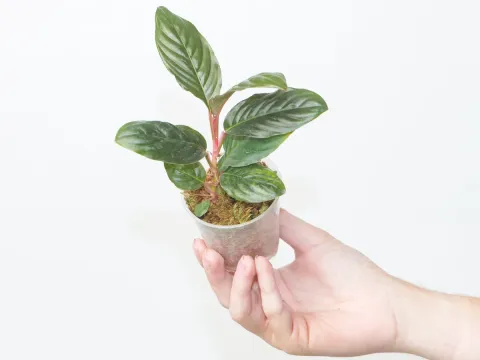
Rhodospatha
Rhodospatha
Rhodospatha is a genus of evergreen perennial vines within the Araceae family. Native to the tropical regions of Central and South America, these plants are primarily known for their climbing habit and decorative leaf structure.
What the section contains

Rhodospatha
The botanical structure of Rhodospatha includes long stems equipped with adventitious roots, allowing them to climb trees in their natural rainforest habitat. The leaves are typically broad, often becoming pinnately lobed as the plant reaches maturity.
To thrive in a controlled environment, these plants require high humidity and consistent warmth. They are highly intolerant of cold drafts and fluctuating temperatures, preferring an ambient range of 20°C to 28°C.
Soil requirements involve a loose, well-draining substrate rich in organic matter. A mix suitable for aroids, such as bark, perlite, and peat moss, is ideal to ensure root aeration and moisture retention without saturation.
Regarding light, Rhodospatha performs best under bright, indirect light conditions. Direct sunlight is harmful and may lead to leaf chlorosis or severe burning of the delicate leaf tissues.
The primary threats to Rhodospatha cultivation include common indoor pests such as spider mites, mealybugs, and scale insects. These organisms thrive in environments where humidity levels are insufficient.
Root rot is the most significant disease risk, typically caused by waterlogged soil and poor drainage. This condition can rapidly compromise the health of the entire plant if left unaddressed.
Preventative measures involve regular foliage cleaning and careful monitoring of the moisture level in the root zone. Proper air circulation around the stems is essential to mitigate the growth of fungal pathogens.
Should an infestation occur, horticultural soaps or specific systemic insecticides are recommended for control. Early detection is vital for preserving the ornamental value of the vine.
Overall plant vitality is best maintained through consistent horticultural practices, including balanced fertilization and ensuring the substrate does not stay overly wet for extended periods.