
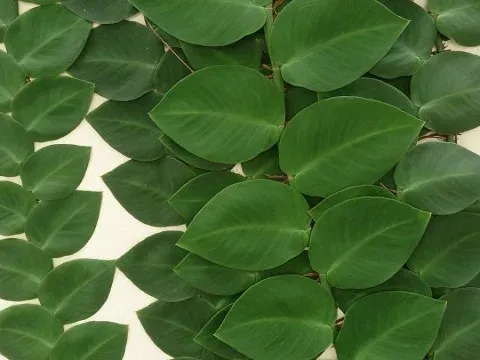
Rhaphidophora
Rhaphidophora
Rhaphidophora is a genus of tropical evergreen vines belonging to the Araceae family. These plants are native to the tropical rainforests of Southeast Asia, Australia, and the Pacific Islands.
What the section contains
 Rhaphidophora angustata
Rhaphidophora angustata
Rhaphidophora angustata
 Rhaphidophora cryptantha
Rhaphidophora cryptantha
Rhaphidophora cryptantha
 Rhaphidophora hayi
Rhaphidophora hayi
Rhaphidophora hayi
 Rhaphidophora korthalsii
Rhaphidophora korthalsii
Rhaphidophora korthalsii
 Rhaphidophora maingayi
Rhaphidophora maingayi
Rhaphidophora maingayi
 Rhaphidophora megaphylla
Rhaphidophora megaphylla
Rhaphidophora megaphylla
 Rhaphidophora minor
Rhaphidophora minor
Rhaphidophora minor
 Rhaphidophora pachyphylla
Rhaphidophora pachyphylla
Rhaphidophora pachyphylla
 Rhaphidophora pertusa
Rhaphidophora pertusa
Rhaphidophora pertusa
 Rhaphidophora tenuis
Rhaphidophora tenuis
Rhaphidophora tenuis
Rhaphidophora
In cultivation, these plants thrive in bright, indirect light. Excessive direct sunlight can scorch their large, often fenestrated leaves, while insufficient light leads to etiolation and loss of leaf vigor.
The substrate must be well-aerated and rich in organic matter. A mixture of peat, pine bark, and perlite provides an ideal balance of water retention and root aeration for this epiphyte.
Temperature requirements are steady between +20 °C and +26 °C. As a tropical species, Rhaphidophora is sensitive to cold drafts and should be kept away from air conditioning vents and winter drafts.
High relative humidity, ideally above 60%, is essential for the development of aerial roots. Regular misting or the use of humidifiers can significantly improve the health of the plant in dry environments.
Common pests affecting Rhaphidophora include spider mites and scale insects. These pests often appear when the air humidity drops below critical levels for a prolonged period.
Fungal pathogens such as Rhizoctonia or Phytophthora represent a significant threat to the root system, usually triggered by poorly drained soil or excessive moisture accumulation.
Pest control measures include the application of systemic insecticides or neem oil treatments, combined with physical removal of infected tissues to prevent further spread.
Preventative care involves ensuring proper sanitation of pots and tools, as well as providing adequate air circulation around the canopy of the vine to avoid fungal spore settlement.
In the event of root rot, pruning the affected roots and repotting the plant into sterile, fresh media is the most effective way to restore the plant's health.