
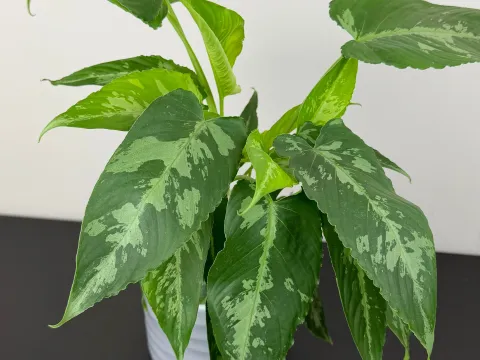
Schismatoglottis
Schismatoglottis hybrids
Schismatoglottis is a genus of flowering plants within the Araceae family. Originating from the tropical rainforests of Southeast Asia, these plants have adapted to high-humidity environments and filtered light conditions, making them a significant subject in tropical horticulture.
What the section contains
Schismatoglottis
Temperature requirements are strict, typically ranging between 20°C and 28°C. Protecting the crop from temperature fluctuations and cold drafts is essential to maintain cellular integrity, especially since tropical species are susceptible to cold stress during transportation or seasonal shifts.
The substrate must provide high porosity and efficient drainage. A blend of peat, perlite, and coniferous bark is highly recommended for commercial production. This specific soil structure prevents hypoxia in the root system while maintaining the moisture levels required for active growth.
Light management requires a delicate balance of indirect illumination. Exposure to direct sunlight often results in photo-oxidation of the chlorophyll, causing leaf yellowing and burning. Shade cloth or appropriate glasshouse orientation is mandatory to ensure the light intensity does not exceed 10,000–15,000 lux.
Hydration must be managed via localized irrigation systems that prevent leaf wetting. Maintaining relative humidity at 70% or higher is beneficial for leaf development. Fertigation should be balanced to favor vegetative growth, focusing on moderate nitrogen levels to avoid excessive soft growth.
Spider mites represent a primary pest threat, particularly in climate-controlled environments where humidity might drop below optimal levels. These mites thrive on the underside of leaves, causing widespread stippling and eventual leaf loss if left unchecked.
Root rot caused by Oomycetes such as Phytophthora is a significant agricultural risk. This disease typically manifests when water drainage is inadequate, leading to waterlogged soil conditions where root decay progresses rapidly through the plant vascular system.
Mealybugs are frequently encountered in production settings, hiding in the junctions of petioles and stems. Mechanical cleaning or systemic insecticide applications are required to manage outbreaks and prevent these pests from spreading through the entire nursery stock.
Leaf spot diseases, often linked to Pseudomonas or fungal pathogens, present as necrotic patches. Improving air circulation within the greenhouse is the most effective preventative measure to disrupt the environmental conditions conducive to bacterial and fungal pathogen proliferation.
Aphids can cause damage by feeding on emerging shoots, leading to stunted leaf development and the transmission of potential viral infections. Monitoring and early intervention with soft soap solutions or biological controls are standard practices in maintaining a healthy, marketable crop.