
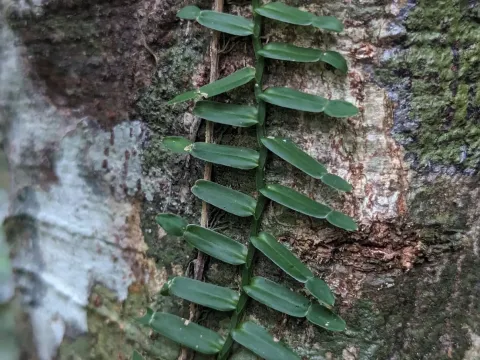
Pothos scandens
Pothos scandens
Pothos scandens is a perennial evergreen vine belonging to the Araceae family. Native to the tropical regions of Southeast Asia, it is a climbing plant that typically colonizes tree trunks in dense, humid forests.
What the section contains
Pothos scandens
This crop requires specific climatic conditions to thrive, preferring temperatures between 20 and 28 degrees Celsius. Constant high humidity and stable environmental conditions are crucial for its healthy vegetative growth.
The soil requirements focus on high organic matter content and excellent drainage. A well-aerated substrate prevents waterlogging, which is critical for the development of its adventitious root system.
Lighting should be bright but indirect. Intense, direct solar radiation can damage the leaf tissue, while insufficient light levels will significantly reduce the biomass production and vine density.
Agrotechnical practices involve consistent irrigation and the use of support structures. As a climbing vine, Pothos scandens relies on its aerial roots to anchor itself, making structural support essential for large-scale cultivation.
The primary threats to the health of Pothos scandens include fungal pathogens like Phytophthora, which thrive in waterlogged soil conditions and compromise the root system's function.
Common insect pests include scale insects and spider mites. These pests thrive in dry environments and can cause severe leaf deformation and systemic weakness if not managed promptly.
Integrated pest management strategies are recommended to mitigate damage. This involves monitoring crop health and using biological or targeted chemical controls to prevent major infestations.
Proper hygiene in the cultivation area is mandatory. Removing debris and sanitizing pruning tools helps limit the transmission of pathogens between individual plants in the greenhouse.
Environmental control, specifically maintaining airflow and appropriate humidity, acts as a preventative measure against most common fungal and bacterial diseases that affect this species.