
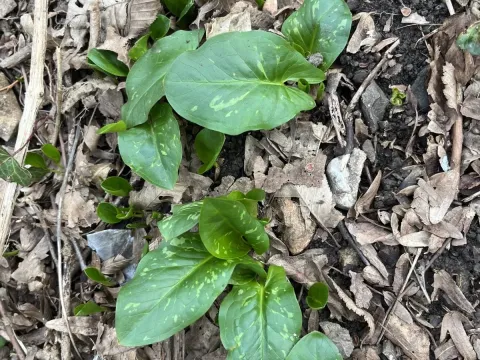
Eastern Cuckoo-pint
Arum orientale
Arum orientale, commonly known as the Eastern Cuckoo-pint, is a perennial herbaceous plant belonging to the Araceae family. It is distinguished by its tuberous rhizome, which serves as a vital energy reservoir.
What the section contains
Eastern Cuckoo-pint
The native distribution of this species spans across Eastern Europe, the Caucasus, and Western Asia. It typically thrives in woodland habitats where the soil remains moist throughout the early spring growth period.
Successful cultivation requires soil with high organic matter content and excellent drainage. While the plant can adapt to various soil types, waterlogged conditions are detrimental to the health of the rhizomes.
These plants are best suited for shaded or semi-shaded environments. Intense exposure to direct sunlight, particularly in warmer regions, can lead to scorching of the leaves and premature senescence.
The annual growth cycle starts in early spring, followed by a dormant phase during the hotter months. Irrigation should be managed carefully to align with the plant's natural vegetative rhythm, avoiding excessive moisture during dormancy.
Fungal diseases are the primary threat, particularly root rots triggered by soil pathogens like Phytophthora. Ensuring well-drained planting sites is the most effective preventative measure against these infections.
Gastropods, including slugs and snails, are major pests that feed on the foliage during the active growing season. Integrated pest management, including physical barriers, is often necessary to protect the plant.
Aphids can infest the inflorescences and young leaves, acting as potential vectors for viruses. Regular monitoring and, if necessary, the application of horticultural soaps can mitigate this risk.
Wireworms occasionally pose a threat by feeding on the subterranean tubers. Cultural practices such as crop rotation or maintaining clean soil free of heavy debris help minimize wireworm presence.
Leaf spot fungi can affect the plant during humid seasons. To reduce the impact of these diseases, it is essential to promote good airflow and avoid overhead irrigation that keeps the foliage wet for extended periods.