
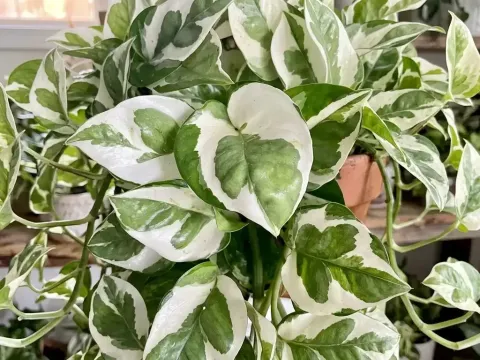
Epipremnum
Epipremnum hybrids
Epipremnum is a perennial evergreen vine that belongs to the Araceae family. Originating from the tropical rainforests of Southeast Asia, it has evolved as an epiphytic climber, utilizing trees for support while thriving in the filtered light of the forest floor.
What the section contains
Epipremnum
Cultivation requires stable environmental conditions, with an optimal temperature range of 20°C to 25°C. Exposure to sudden temperature drops or cold drafts can significantly inhibit growth and lead to physiological stress in the plant tissues.
The substrate must be well-draining, airy, and rich in organic matter. A soil mixture containing peat moss, pine bark, and perlite is recommended to prevent soil compaction and ensure that the delicate root system receives sufficient aeration.
Irrigation practices should focus on maintaining consistent soil moisture without causing saturation. Overwatering is the most common agronomic failure, leading to root asphyxiation; therefore, allow the top third of the soil to dry out between watering sessions.
Fertilization is crucial during the growing season to support the rapid development of foliage. Balanced liquid fertilizers applied at half-strength every two weeks are sufficient to maintain the vigor and aesthetic quality of the plant throughout the active growth phase.
Spider mites are the most persistent pest for Epipremnum, particularly in environments with low humidity. They colonize the undersides of leaves, causing yellowing and stippling as they pierce and feed on the plant's cellular contents.
Scale insects frequently attach themselves to stems and leaf axils, protecting themselves with waxy shells. These pests extract phloem sap, which weakens the plant and can lead to the growth of sooty mold on the honeydew they excrete.
Root rot is a major threat caused by prolonged waterlogging of the soil, which promotes the growth of opportunistic pathogens. Symptoms include soft, mushy roots, yellowing foliage, and eventually total plant collapse if not treated early.
Bacterial leaf spot can occur when leaves remain wet for extended periods, especially in poor lighting or cool conditions. Preventive measures include ensuring good air circulation and avoiding overhead irrigation to keep leaf surfaces dry.
Effective management involves integrated pest and disease control, including regular monitoring of leaves and maintaining a clean growing environment. In case of infestation, specific acaricides or systemic fungicides should be applied according to the stage of the pest's life cycle.