
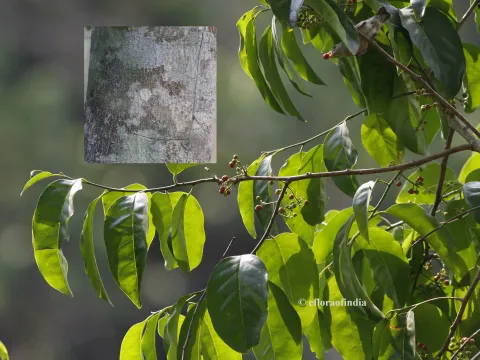
Umbrella holly
Ilex umbellulata
Umbrella holly (Ilex umbellulata) is an evergreen woody species belonging to the Aquifoliaceae family. Known for its dense foliage and leathery leaves, it is a significant plant in ornamental horticulture, valued for its year-round decorative potential.
What the section contains
Umbrella holly
The plant originates from the tropical and subtropical regions of Southeast Asia. Its natural habitat is typically characterized by moist forest environments where the plant can thrive under a canopy, protected from harsh environmental conditions.
For successful cultivation, Umbrella holly requires fertile, well-draining soil with an acidic to neutral pH level. Proper aeration of the substrate is essential to prevent root rot and ensure healthy growth cycles throughout the year.
Regarding climate requirements, the species prefers temperate to warm conditions. It is not cold-hardy, meaning it requires protection from freezing temperatures and dry winds. High humidity levels are particularly beneficial for maintaining the health of the foliage.
The main uses of this crop are ornamental landscaping and indoor design. Due to its slow growth rate and ability to be shaped, it is often utilized for creating hedges, topiaries, and container-grown specimens in conservatory environments.
Key pests that pose a threat to the health of Umbrella holly include scale insects and spider mites. These pests sap nutrients from the leaves, leading to stunted growth; regular inspection and the application of horticultural oils or systemic insecticides are recommended for control.
Fungal infections, such as leaf spot and powdery mildew, are common threats, especially in environments with poor air circulation. Effective disease management involves maintaining proper spacing between plants and ensuring that the foliage is kept dry to reduce pathogen transmission.