
Ilex sugerokii
Ilex sugerokii
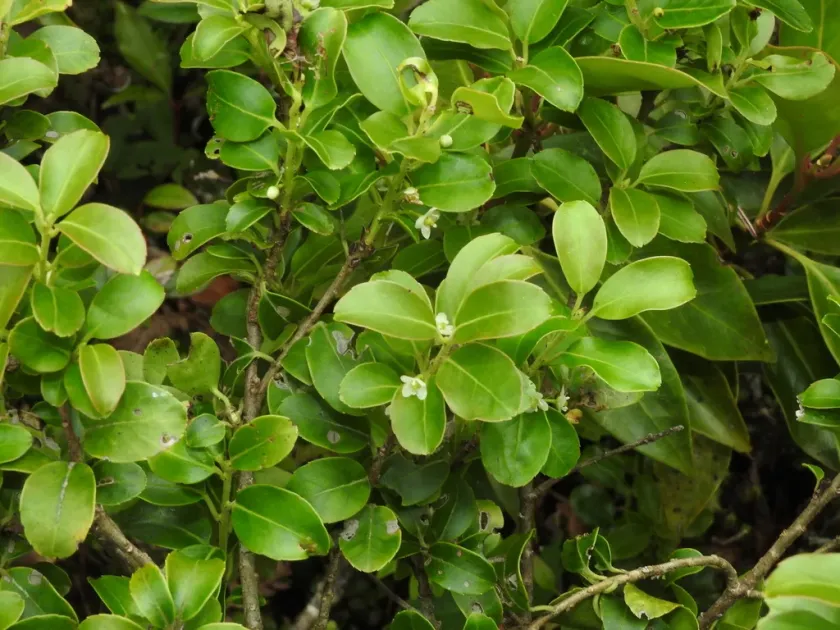
Description
Growing requirements
Ilex sugerokii is an evergreen shrub belonging to the Aquifoliaceae family. Native to the mountainous regions of Japan, it is highly regarded in horticulture for its dense, compact habit and attractive foliage, making it a valuable addition to specialized garden collections.
Botanically, this species is characterized by its slow growth rate and small, leathery leaves that exhibit a glossy sheen. The plant maintains its structure well throughout the year, contributing to the architectural interest of a landscape even during winter months.
The culture requires acidic to neutral soils that are well-drained and rich in organic matter. Proper soil structure is essential, as the roots are sensitive to waterlogging, which can quickly lead to root decay and general plant decline.
Partial shade is the optimal location for this plant. While it can tolerate some exposure to light, it is best protected from harsh, direct afternoon sun, which can scorch the leaves and place undue stress on the plant during the peak of summer.
Climate adaptability is limited; therefore, in colder regions, it is necessary to provide protection from drying winter winds. Mulching the root zone is a critical agrotechnical practice to regulate soil temperature and retain necessary soil moisture.
Main diseases and pests
Fungal infections remain the primary threat to Ilex sugerokii, typically manifesting as leaf spots or stem blights. These are most prevalent in areas with high humidity, poor airflow, and improper drainage systems.
Pests such as scale insects and spider mites are frequent invaders during warmer, drier weather. These pests can cause significant damage to the plant by extracting cell sap, eventually leading to chlorosis and reduced vigor.
Maintaining a rigorous sanitation schedule is key to preventing outbreaks. This involves removing fallen debris around the base of the plant and applying appropriate horticultural oils or systemic insecticides at the first sign of pest activity.
Soil-borne pathogens may also pose a risk if the environment is not managed correctly. Utilizing a balanced fertilizer program ensures the plant remains strong enough to resist secondary infections and recovers well from minor stressors.
Regular monitoring of the foliage and stems allows for early detection of potential health issues. Pruning should be performed with sterile tools to prevent the transmission of pathogens between different parts of the shrub.