
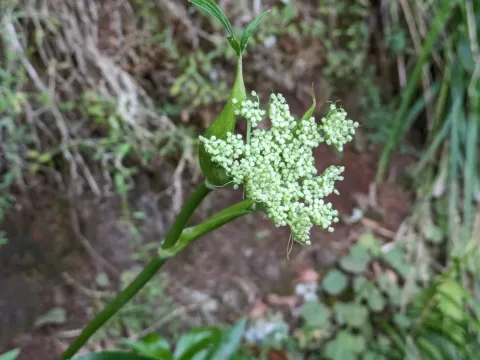
Lowe's peucedanum
Peucedanum lowei
Lowe's peucedanum is a perennial herbaceous plant, with sowing typically scheduled for early spring once soil temperatures reach 10-12 degrees Celsius. The seeds require a period of cold stratification to break dormancy and ensure high germination rates, mimicking natural conditions found in their native mountain habitats.
What the section contains
Lowe's peucedanum
The seeds should be sown at a depth of 1-2 centimeters in well-prepared soil. Row spacing is generally set at 45-60 centimeters to provide adequate room for the developing root systems and to facilitate mechanical weeding and maintenance during the growing season.
Early to mid-April is the optimal window for planting in temperate climates. Consistent moisture is crucial during the germination phase, as the young seedlings are highly sensitive to soil surface dehydration. Farmers should ensure the bed remains lightly moist until the plants are well-established.
Once the seedlings have reached a certain height, thinning is necessary to achieve a spacing of 20-30 centimeters between individual plants. This spatial management prevents nutrient competition and ensures that each plant develops a robust leaf rosette in its first year.
The plant demonstrates excellent winter hardiness, allowing it to survive frost cycles once mature. It resumes growth early in the spring as soon as temperatures rise above the minimum threshold, making it a reliable crop for northern regions.
This crop thrives in well-drained loamy or sandy soil types with a neutral pH balance. Soil drainage is the most critical factor; waterlogging leads to rapid root decay and plant mortality, particularly in the early spring months when soil moisture is naturally higher.
Peucedanum lowei is a photophilic plant, requiring full sun exposure to achieve maximum biomass and secondary metabolite accumulation. Shaded areas significantly reduce yield and quality, as the plant relies on intensive photosynthesis for its development.
While the plant is adaptable, it benefits from soil rich in organic matter and supplemented with balanced phosphorus and potassium fertilizers. Regular tillage or light harrowing of the inter-row spaces is recommended to maintain soil aeration and prevent compaction.
Irrigation should be managed through drip systems to avoid excessive moisture on the foliage, which can trigger fungal outbreaks. The goal is to keep the root zone consistently moist but never saturated, adapting the watering schedule to local rainfall patterns.
The plant is highly responsive to calcium levels in the soil, which helps strengthen cell walls and improve overall resistance to environmental stresses. Periodic soil testing is advised to ensure nutrient availability remains within the optimal range for the species.
Productivity for Lowe's peucedanum generally peaks during the second and third years of growth. During this stage, the plant maximizes the production of its root biomass and leaf tissue, which is when harvesting is most economically viable.
Yield metrics are largely dependent on the planting density and the success of the establishment phase. Under intensive cultivation, producers can expect a stable harvest of leaf material throughout the season if the plants are managed correctly after each cutting.
Nitrogen applications early in the season act as a catalyst for vegetative regrowth. By utilizing a staged harvesting strategy, growers can perform multiple cuts within a single growing year, provided that the plant has sufficient time to recover between cycles.
The dry root yield is a primary indicator of crop success, requiring thorough excavation of the harvest area to collect the maximum mass. Proper post-harvest handling ensures that the harvested volume is protected from degradation and loss during cleaning.
Seed production is an additional potential income stream, typically maturing in late summer. Careful timing of the harvest is essential, as the seeds shed easily once fully ripe, leading to significant crop loss if delayed by even a few days.
Fungal diseases, including powdery mildew and various leaf spots, are the primary threats, especially in seasons with high humidity. Maintaining proper spacing and airflow between plants is the most effective preventative measure against these pathogens.
Insects like the umbellifer moth can damage the flowers and young foliage during the peak of summer. Integrated pest management, emphasizing biological controls and natural predators, is preferred to maintain the health of the crop without chemical residues.
Root rot remains a persistent threat if the soil drainage is compromised. To manage this, growers should rotate crops every few years and avoid planting in depressions or clay-heavy soils where water tends to accumulate after heavy rain.
Weed management is critical during the initial establishment of the crop. Manual or mechanical cultivation is often used to keep weeds in check, as these competitors can easily stunt the growth of young Lowe's peucedanum plants in their first season.
Small mammals, particularly rodents, can be an issue during the dormant winter period. Protective barriers around the field edges and active clearing of cover vegetation help mitigate the risk of damage to the overwintering root crowns.
Harvesting of the foliage is conducted during the flowering phase, a period when the plant's essential oils and bioactive compounds reach peak concentration. Timing this phase accurately is vital for producers aiming for high-quality chemical yields.
Roots are harvested in late autumn after the foliage has naturally withered. This timing ensures that the energy reserves are stored within the root, yielding a product that is denser and richer in nutrients compared to early-season harvesting.
The harvesting process involves deep mechanical lifting to preserve the integrity of the root system. Once harvested, the roots must be thoroughly cleaned of soil and debris to prepare them for the dehydration process.
Drying must be strictly controlled, with temperatures kept below 40 degrees Celsius to prevent the loss of delicate aromatic compounds. Proper ventilation and airflow are necessary to complete the drying process evenly and quickly.
After processing, the final product should be stored in a cool, dry, and dark environment to maintain its potency. Using airtight, moisture-resistant packaging is essential to prevent the absorption of ambient humidity and the growth of mold.