
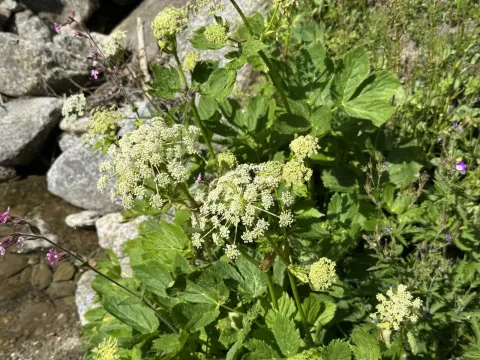
Masterwort
Peucedanum ostruthium
Masterwort (Peucedanum ostruthium) is a perennial herbaceous plant belonging to the Apiaceae family. Propagation is primarily achieved through seeds, which require a period of stratification to break dormancy.
What the section contains
Masterwort
Sowing is best performed in late autumn, allowing the seeds to undergo natural winter chilling. This method results in superior germination rates compared to spring sowing.
If sowing in the spring, seeds should be pre-chilled in a refrigerator for several weeks. The optimal planting depth is about 1 to 2 centimeters in a well-prepared seedbed.
Seedlings should be spaced approximately 50–60 centimeters apart to provide ample room for the development of the robust root system characteristic of this species.
Development in the first year is focused on establishing a leafy rosette; stems and flowering stalks typically appear in the second or third year of growth.
Masterwort thrives in cool, moist climates and is highly tolerant of temperate zone winters. It prefers locations with reliable moisture but requires excellent soil drainage.
The ideal soil profile consists of fertile, humus-rich loamy soil with a neutral or slightly acidic pH balance. Poorly drained, heavy clays should be avoided to prevent root rot.
While the plant can tolerate full sun, it performs exceptionally well in partial shade, especially in warmer regions where intense heat could stress the foliage.
Agronomic maintenance includes regular cultivation between rows to improve soil aeration, which promotes better nutrient uptake and vigorous plant growth.
Regular applications of compost or well-rotted organic matter are recommended to maintain high fertility levels throughout the long lifespan of the perennial crop.
Fungal pathogens are the primary concern, particularly root rot, which is often encouraged by excessive soil moisture or poor drainage conditions within the field.
Pests such as aphids and spider mites can occasionally damage the foliage, leading to reduced vigor and stunted growth. These should be monitored regularly during the growing season.
Cultural control, including crop rotation and ensuring adequate spacing between plants to facilitate air circulation, is the best strategy for managing disease pressure.
Biological control agents are preferred over chemical pesticides, as Masterwort is frequently harvested for its medicinal properties, necessitating a clean, residue-free product.
Maintaining a clean field free of weeds helps minimize the habitat for potential pests and reduces competition for essential soil nutrients and water.
The primary harvest target is the rhizome, which is typically harvested in autumn after the plant has entered dormancy in its second or third year of growth.
Rhizomes are carefully lifted, thoroughly washed to remove all soil particles, and trimmed of fibrous lateral roots. Mechanical damage during harvesting should be strictly avoided.
Drying is a critical phase of production; the roots should be dried in a ventilated area or a controlled drying chamber at temperatures between 40 and 45 degrees Celsius.
High temperatures during drying must be avoided to prevent the loss of volatile essential oils, which represent the primary value of the botanical product.
Once dried, the rhizomes should be stored in airtight containers in a cool, dark, and dry environment to preserve their therapeutic and aromatic qualities for long-term use.