
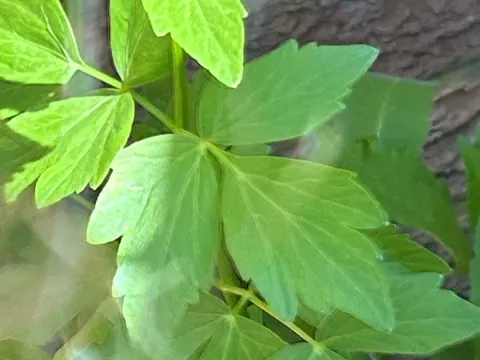
Lovage
Levisticum
Lovage (Levisticum officinale) is a perennial herbaceous plant belonging to the Apiaceae family, widely grown for its aromatic leaves and medicinal roots.
What the section contains

Lovage
Seeds can be sown in late autumn or early spring, as soon as the soil reaches a temperature of at least 5-8 degrees Celsius for germination.
Because the seeds contain high levels of essential oils and have a hard outer shell, they may require stratification to improve germination rates in field conditions.
Transplanting seedlings started in greenhouse conditions is often preferred by commercial growers to ensure uniform plant spacing and better establishment.
Optimal row spacing should be approximately 50-60 centimeters to allow for the vigorous growth and development of the large, compound leaves typical of the species.
This crop thrives in sunny locations but can tolerate partial shade, provided the soil remains moist and nutrient-rich throughout the growing season.
Lovage requires deep, fertile, well-drained loamy soils with a near-neutral pH level to reach its full productive potential in agricultural environments.
Consistent moisture is critical; therefore, irrigation should be managed carefully during dry spells to prevent the foliage from becoming tough or bitter.
The plant is exceptionally winter-hardy and can withstand freezing temperatures, making it a reliable perennial crop even in cold climatic zones.
Application of compost or well-rotted manure during pre-planting preparation is highly recommended to sustain the long-term productivity of the plantation.
Commercial yields of lovage foliage can range from 15 to 25 tons per hectare, depending on the frequency of harvest and the fertility of the soil.
The highest biomass production occurs during the second and third years of cultivation, when the plant reaches its full vegetative maturity.
When grown for root harvesting, the yield typically peaks at the end of the third year, providing a significant harvest of dried medicinal material.
Dry root yields can average 3-5 tons per hectare, assuming good agronomic practices are followed throughout the lifecycle of the crop.
Repeated harvesting of fresh leaves stimulates new growth, allowing for multiple cuttings per season without exhausting the plant's resources.
Leaf rust is the most significant fungal threat, especially in humid conditions where poor air circulation encourages the spread of pathogens.
The carrot fly is a notorious pest that attacks the roots, causing stunted growth and significantly reducing the marketable value of the crop.
Aphid infestations can occur on young, tender growth, which necessitates early monitoring and integrated pest management strategies to avoid chemical residues.
Septoria leaf spot can lead to discoloration and reduced leaf quality, requiring the removal and destruction of infected plant debris from the field.
- Maintain proper spacing between plants.
- Implement strict crop rotation schedules.
- Monitor for insect activity during early spring.
For fresh herb production, leaves are harvested starting from the second year during the pre-flowering stage for maximum essential oil concentration.
Foliage is cut manually using sharp tools, leaving a portion of the stem intact to allow the plant to regenerate for subsequent harvests.
Roots are harvested in late autumn after the foliage has begun to die back, ensuring the energy is stored within the root structure.
Drying of harvested roots must occur at temperatures not exceeding 50 degrees Celsius to prevent the loss of volatile compounds responsible for the aroma.
Post-harvest handling must be rapid to avoid spoilage, as the high water content of the leaves makes them prone to rapid degradation in warm conditions.