
Mathiasella
Mathiasella
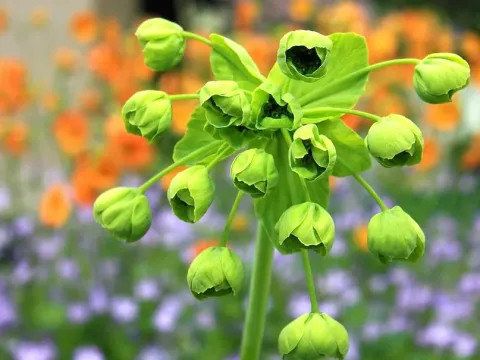
Mathiasella is a unique genus within the Apiaceae family, native to the high-altitude mountainous regions of Mexico. This perennial plant is highly valued by horticulturists for its architectural foliage and striking, long-lasting green bracts.
What the section contains

Mathiasella
The plant thrives in well-draining, gritty soil conditions that mimic its natural rocky habitat. It is essential to ensure that the site does not accumulate excess water, especially during winter months, to avoid root rot issues.
Regarding climate, Mathiasella prefers cool to moderate temperatures. While it can withstand some heat, it generally performs best in partial shade, as intense direct sun can scorch its delicate foliage and fade the decorative bracts.
In terms of soil composition, a neutral to slightly alkaline substrate enriched with organic matter is recommended. Adequate drainage is the most critical factor, so incorporating grit or coarse sand into the planting hole is a standard practice for successful growth.
Cultivation in temperate zones often requires container gardening. This allows for better control over soil moisture and temperature, as the plant can be moved to a frost-free environment during the harsh winter months to ensure its survival.
Root rot is the most significant threat to Mathiasella, usually triggered by waterlogged soil conditions. Proper site selection and drainage management are the primary methods for preventing this devastating fungal condition.
Slugs and snails are notorious for attacking the succulent foliage of the plant, especially in early spring. Protecting the plants with physical barriers like crushed shells or copper tape is an effective way to keep these gastropods at bay.
Aphid infestations may occur on the stems and bracts during the flowering season. If left untreated, they can weaken the plant and spread viruses; therefore, periodic inspection and mild soap-based treatments are advised for early detection.
Poor ventilation can lead to outbreaks of powdery mildew, particularly in humid or crowded garden settings. Keeping the base of the plant clear of debris and ensuring proper spacing between plants helps minimize this risk.
While generally hardy in the right conditions, the plant can be susceptible to soil-borne pathogens. Rotating planting locations or refreshing the soil mix in containers every few years is highly recommended to maintain plant vigor.