
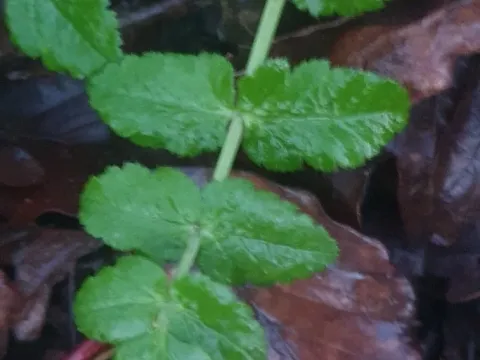
Parsley
Sison
Parsley (botanically identified as Petroselinum crispum, often linked to the wider Apiaceae family) is a hardy biennial plant that is cold-tolerant. Its seeds germinate slowly, typically starting at soil temperatures around +2°C to +3°C, which allows for early spring planting.
What the section contains


Parsley
For early harvest, growers often use late autumn sowing, placing seeds in the soil just before the ground freezes. This method, known as winter sowing, allows seeds to germinate as soon as the ground warms up, providing a head start on the growing season.
Succession planting is a key strategy for ensuring a constant supply of fresh greens. Sowing seeds every 15 to 20 days throughout the spring and summer ensures that mature plants are always available for harvest without over-saturation of the market.
The seeds should be sown at a depth of 1.5 to 2 centimeters. Maintaining a row spacing of 20–25 centimeters is recommended to facilitate weeding, improve airflow between plants, and reduce the risk of humidity-related diseases.
Parsley exhibits remarkable resilience to cold and can withstand temperatures as low as -7°C. While primarily grown in temperate climates, it thrives in environments that provide consistent moisture and moderate thermal conditions during its vegetative stage.
Parsley thrives in full sun but is adaptable to partial shade. While sun exposure is ideal for maximum essential oil production, plants in semi-shaded areas can still produce lush, high-quality foliage, which is advantageous in hotter climates.
The crop requires fertile, well-draining soil with a pH level between 6.0 and 7.0. Soils with high organic matter content support the vigorous root growth necessary for both leaf and root-type varieties, while preventing waterlogging.
Balanced fertilization is essential. Nitrogen promotes leaf development, but excessive application should be avoided as it may reduce the concentration of aromatic compounds. Compost or well-rotted manure applied before planting provides the necessary nutrients.
Consistent moisture management is critical, especially during the early stages of development. Drought stress causes the leaves to become tough and bitter, significantly lowering the market value of the fresh produce.
Crop rotation is vital to maintain soil health. Parsley should not follow other Umbelliferae family members like carrots or celery to prevent the buildup of soil-borne pathogens and specific pests that target these related crops.
Yield capacity is highly dependent on the variety and management practices. Leaf parsley is harvested multiple times per season, whereas root parsley is grown for a single main harvest of the taproot and leaves.
With high-input management, leaf parsley can yield between 2 and 3 kilograms per square meter per season. Controlled environments like greenhouses significantly increase these yields and allow for year-round production.
Root parsley varieties produce taproots that can range from 50 to 150 grams in weight. Careful thinning to a distance of 10–15 centimeters is essential to allow the roots to develop fully and reach marketable size without competition.
To maximize yields, timely harvesting and post-harvest care are vital. Removing the outer leaves first encourages the plant to continue producing from the central crown, extending the productive life of the crop throughout the season.
Proper thinning at the seedling stage ensures that the remaining plants have sufficient space to access water and light. This practice is the foundation of a successful crop, preventing stunted growth and promoting uniformity.
Powdery mildew is a common fungal threat, characterized by a white, flour-like coating on the foliage. Improving air circulation and avoiding overhead watering are effective preventative measures against this disease.
Septoria leaf spot and rust can cause significant damage in humid conditions. Infected foliage should be removed immediately to prevent spores from spreading, and crop rotation remains the most effective long-term management strategy.
The carrot rust fly is a major pest for parsley. Its larvae tunnel into the roots and stems, causing severe damage. Using companion planting, such as planting parsley near onions, can effectively mask the scent and deter the flies.
Aphids often target young, succulent growth, leading to curled leaves and weakened plants. Infestations are typically managed using soft-soap sprays or biological controls that target the pests without harming beneficial insects.
White mold (Sclerotinia) can develop in excessively damp soil. Ensuring proper drainage and removing any debris from the field after harvest helps to break the life cycle of these persistent soil pathogens.
Leaf harvest typically begins about 60 to 80 days after sowing. The outer stems are cut close to the base with a sharp knife, taking care not to damage the central crown, which is essential for continued growth.
Root parsley is harvested at the end of the growing season, usually in late autumn. Roots are carefully lifted from the soil to avoid breakage, cleaned, and trimmed of their tops before storage or immediate sale.
For long-term storage, roots can be kept in a cool, dark cellar packed in sand. This method maintains humidity and prevents the roots from shriveling, allowing them to stay fresh for several months at temperatures near +1°C.
Fresh parsley greens are highly perishable. If not sold immediately, they should be refrigerated in airtight containers or processed by drying or freezing, both of which preserve the plant's essential oils and flavor.
Efficiency in harvesting is crucial to maintain the quality of the product. Harvesting in the early morning, when the leaves have maximum water content, ensures a crisper, more visually appealing product that stays fresh longer.