
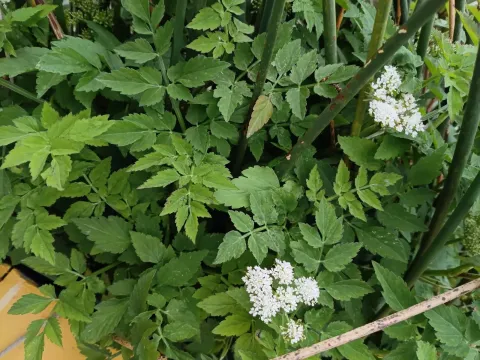
Pacific water dropwort
Oenanthe sarmentosa
Pacific water dropwort (Oenanthe sarmentosa) is a perennial herbaceous plant belonging to the Apiaceae family. In the wild, this species is commonly found in the western regions of North America, preferring wet habitats such as stream banks, marshy lowlands, and damp meadows.
What the section contains
Pacific water dropwort
Botanically, the plant is characterized by hollow stems that can creep along the ground and root at the nodes, which gives rise to its specific common name. The leaves have a distinctive pinnately compound structure, and small white flowers are arranged in complex umbels, a typical trait of this family.
For successful cultivation, the crop requires high soil moisture levels, making it suitable for sites with a shallow water table or areas under constant irrigation. The plant tolerates partial shade but thrives best when provided with sufficient access to filtered sunlight.
Soil requirements include a nutrient-rich organic substrate with a neutral to slightly acidic pH. Proper drainage is essential despite the plant's affinity for water, as stagnant conditions without water movement can promote root rot development.
The economic use of this species is limited by its specialized ecological niche. The plant is occasionally studied as a potential source of wild greens, however, due to the close visual resemblance to toxic relatives within the Apiaceae family, harvesting and commercial cultivation require precise botanical identification skills.
The primary threats to water dropwort plantations are fungal diseases that flourish in conditions of excessive humidity and poor air circulation. Powdery mildew is particularly prevalent, damaging the foliage when significant temperature fluctuations occur.
Among pests, slugs and snails pose the greatest risk, as they actively feed on the succulent stems during the spring growing season. Regular soil cultivation and controlling planting density are essential strategies for mitigating pest pressure.
Aphid infestations may also occur, concentrating on the undersides of leaves and on the umbels. The use of chemical pesticides should be strictly limited, as the crop is often grown in proximity to aquatic ecosystems where toxins can spread rapidly.
During cultivation, competition from other hydrophytic vegetation must be managed. Aggressive weeds can quickly overwhelm the crop in its early establishment phase, making timely weeding during the initial rooting period critical for success.
Disease prevention is based on maintaining optimal spacing between plants to ensure natural ventilation within the crop canopy. Monitoring the crown area allows for the early detection of rotting symptoms and facilitates prompt management measures to protect the site.