
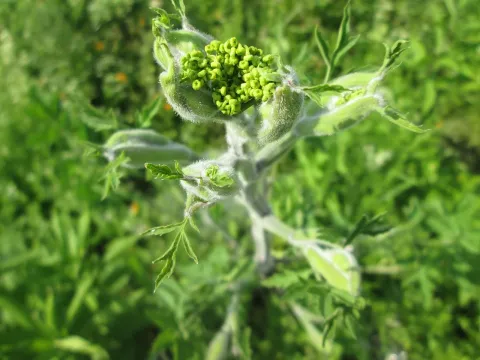
Pastinaca kochii
Pastinaca kochii
Pastinaca kochii is a distinctive species within the Apiaceae family, often sought after for its specific characteristics. Sowing should ideally occur in early spring once the soil temperature consistently reaches 5-8 degrees Celsius.
What the section contains
Pastinaca kochii
In regions with milder climates, winter sowing is a viable option, allowing the seeds to undergo natural stratification, which results in better germination rates. A sowing depth of 2-3 centimeters is optimal for this variety.
To ensure healthy development, rows should be spaced 40-50 centimeters apart, providing enough room for foliage expansion. Because germination can be slow, many growers use markers to identify rows and facilitate early cultivation.
Choosing the right predecessor is essential; tomatoes or legumes are excellent choices for soil enrichment. Avoid planting in areas where other umbellifers were grown recently to prevent soil-borne diseases.
Thinning is a crucial step; seedlings should be thinned to a final spacing of 10-15 centimeters between plants once they have reached the second or third leaf stage.
This crop thrives in open, sunny locations with loose, well-drained loamy or sandy soils. Soil structure is vital, as the deep taproot requires unobstructed space to grow into a well-formed, high-quality root.
Water management is critical; while the plants need consistent moisture, they are highly sensitive to waterlogging, which can easily cause root rot. A balanced irrigation strategy is key to success.
Nutrient requirements are moderate; excessive nitrogen should be avoided as it encourages unwanted foliage growth over root development. A fertilizer mix rich in phosphorus and potassium is recommended before planting.
Soil pH should remain near neutral, as acidity can severely inhibit the plant's growth and overall development. Regular liming of acidic soils is a recommended practice for this species.
The plant demonstrates excellent hardiness and can endure cold weather, making it suitable for varying climates provided the soil conditions remain optimal.
Major threats include pests such as carrot rust fly larvae, which burrow into the roots. Protective netting or early-season management can significantly reduce the risk of infestation.
Fungal diseases, including powdery mildew and Cercospora leaf spot, can appear in humid conditions. Maintaining proper airflow between plants through weeding and thinning is the best preventative measure.
Wireworms can be particularly damaging in soil that has not been adequately prepared or cleared of perennial weeds. Crop rotation remains the most effective strategy for mitigating this risk.
In storage and late-season growth, white rot can become an issue if moisture management is not strictly observed. Removing affected plants from the field immediately is standard practice.
Integrated pest management, including the use of biological controls, is highly recommended to keep the crop healthy and ensure compliance with chemical usage restrictions.
Harvesting is typically performed in late autumn, when the leaves begin to yellow and wither. Carefully using a pitchfork to loosen the soil around the roots is essential to avoid breaking the delicate skin.
Once harvested, roots should be cleaned of soil and the foliage trimmed close to the root crown. Drying them slightly before placing them into long-term storage is advisable.
For best results, store in cool, dark conditions with high humidity, often inside boxes filled with damp sand. This prevents dehydration and maintains the crisp texture of the vegetable.
Pastinaca kochii is known for its excellent shelf life, making it a reliable crop for winter consumption. Periodic checks of the storage crates help maintain the quality of the harvest.
Leaving some roots in the ground during winter is possible in mild zones, providing fresh produce early in the spring. This method enhances the culinary flavor profile of the root.