
Orlaya
Orlaya
Description
Sowing dates
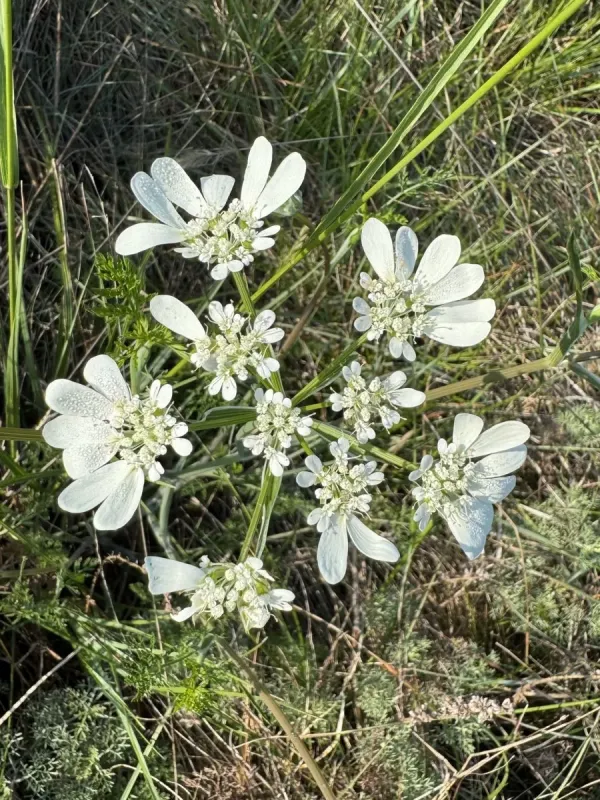
Orlaya (Orlaya) is an annual herbaceous plant belonging to the Apiaceae family. The seeds are typically sown in autumn for regions with mild winters or in early spring once the ground temperature reaches at least 10 degrees Celsius. Seed depth should be maintained at 1 to 2 centimeters to ensure optimal germination rates.
For a head start, the seedling method is recommended. Sow seeds in individual pots or modular trays approximately 4 to 6 weeks before the anticipated frost-free date. As Orlaya has a delicate taproot, minimal root disturbance during transplanting is essential for survival.
When direct seeding in the field, space the seeds about 20 to 30 centimeters apart. Proper spacing is critical to avoid overcrowding, which is a common cause of poor air circulation and subsequent development of fungal infections in the dense canopy.
Select a location that receives full sun, as Orlaya thrives in high light conditions. While the plant can tolerate partial shade, insufficient sunlight often leads to weak stems that may collapse during the flowering stage, reducing the overall aesthetic quality.
Thinning is necessary if the seedlings emerge too closely together. A density of approximately 15 to 20 plants per square meter is considered ideal for commercial cultivation and ornamental display, allowing each plant to access sufficient nutrients and space.
Growing requirements
Orlaya performs best in light, well-draining soils with a neutral or slightly alkaline pH. Heavy clay soils should be amended with organic matter or sand to improve drainage and prevent waterlogging, which the plant cannot tolerate.
While Orlaya demonstrates a degree of drought tolerance once established, regular irrigation is vital during the flowering phase. Maintaining consistent soil moisture levels will ensure the production of vibrant, long-lasting umbel-shaped inflorescences.
The plant thrives in Mediterranean-like climates with warm, dry summers. In extremely hot environments, applying a layer of organic mulch around the base of the plant helps retain soil moisture and keeps the roots cool during peak heat.
Avoid heavy nitrogen applications, as excessive foliage growth at the expense of flowers is a common mistake. A balanced, low-nitrogen fertilizer or well-composted organic material applied in early spring is sufficient to support the plant's nutritional requirements.
Orlaya is highly beneficial for biodiversity, acting as a magnet for bees, butterflies, and predatory insects. Its presence in the field can enhance integrated pest management programs by supporting beneficial insect populations that control aphids and mites on neighboring crops.
Main diseases and pests
Fungal diseases such as powdery mildew and root rot represent the primary threats to Orlaya. These conditions are typically triggered by high humidity or poor airflow. Preventive measures include wide spacing and careful monitoring of irrigation practices.
Aphids are the most prevalent pest, often clustering on developing buds and tender stems. Early detection is key; mild infestations can be managed by using high-pressure water sprays or insecticidal soaps, avoiding the need for stronger chemical pesticides.
Nematodes may pose a risk in certain soils, particularly in areas where crop rotation is not strictly followed. To mitigate this, avoid planting Orlaya or related Apiaceae species in the same spot more frequently than every three years.
Invasive weeds can compete with Orlaya for nutrients and light in the early growth stages. Manual weeding is preferred over mechanical cultivation near the base, as accidental damage to the roots makes the plant highly susceptible to soil-borne pathogens.
Proper sanitation is essential for managing outbreaks. Any plant material showing signs of severe infection should be removed immediately and disposed of away from the growing site to prevent the spread of spores or pests to the remaining healthy crop.