
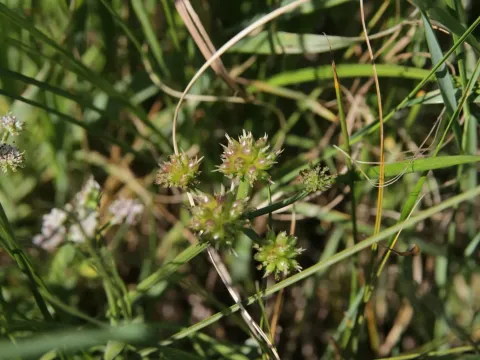
Oenanthe globulosa
Oenanthe globulosa
Oenanthe globulosa is a member of the Apiaceae family. It is a perennial herbaceous plant that thrives in wetland environments, showing significant adaptation to high-moisture habitats.
What the section contains
Oenanthe globulosa
Originating from the Mediterranean region, this species is naturally found near marshes, riversides, and damp meadows, reflecting its evolutionary preference for specific hydrological conditions.
The plant is distinguished by its unique inflorescences, which form dense, spherical umbels. Its foliage is deeply dissected, and the stems are hollow and sturdy, characteristic of the genus Oenanthe.
Cultivation requirements include consistent soil moisture and a high organic matter content. It performs best in heavy, water-retentive soils that mimic its native marshy ecosystems.
Agrotechnical management focuses on maintaining water levels and ensuring good soil structure. While the plant requires plenty of moisture, stagnant conditions must be managed to prevent physiological stress.
Like many members of the Apiaceae family, Oenanthe globulosa is susceptible to fungal diseases such as powdery mildew and various types of rusts, particularly in dense plantings.
Root rot is a major threat in poorly drained soils where aeration is insufficient, leading to the proliferation of anaerobic pathogenic bacteria and fungi.
Pest pressures primarily come from aphids and plant bugs that target tender stems and flower heads, potentially affecting reproductive success if left uncontrolled.
Leaf miners can also damage the foliage, reducing the plant's ability to photosynthesize effectively during the critical stages of its growing cycle.
Integrated pest management, including regular scouting and selective use of biological controls, is essential for maintaining the health and vigor of the crop.