
Narrow-leaved eryngo
Eryngium stenophyllum
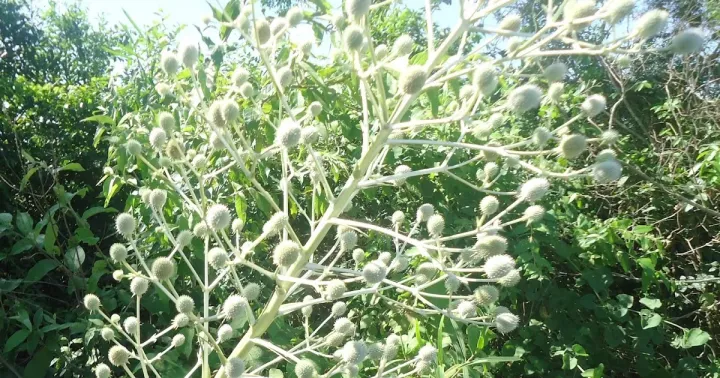
Description
Sowing dates
Eryngium stenophyllum is a member of the Apiaceae family. Successful cultivation usually involves autumn sowing, as the seeds require a period of cold stratification to break dormancy and ensure high germination rates.
When spring sowing is planned, seeds must be artificially stratified for 4 to 6 weeks at low temperatures. This ensures the uniform emergence of seedlings during the growing season.
The seeds should be sown at a shallow depth of 1-2 centimeters in well-drained soil. Proper spacing is essential, allowing enough room for the taproot to develop without competition from neighboring plants.
Vegetative propagation, specifically dividing mature clumps, is an efficient way to expand plantings. This procedure is best performed in the early spring or autumn to minimize stress on the plant.
Young plants are relatively slow to establish, so keeping the nursery beds weed-free during the first few months is vital for ensuring vigorous growth and healthy development.
Growing requirements
This species thrives in full sun and is exceptionally drought-tolerant once established. It is well-suited for exposed sites where high light intensity encourages robust development and intense coloration.
Soil requirements are modest, but excellent drainage is non-negotiable. The plant is prone to root rot if the soil remains waterlogged, so sandy or rocky substrates are preferred.
The plant performs best in neutral to slightly alkaline pH levels. If the soil is excessively acidic, liming should be incorporated into the pre-planting soil preparation process.
It is cold-hardy and can withstand significant frost, making it a reliable perennial in various temperate climatic zones. It does not require winter protection under normal conditions.
Watering should be managed carefully; excessive irrigation is detrimental. Supplemental water is only necessary during prolonged droughts in the first season of growth.
Main diseases and pests
The primary threats are fungal diseases caused by excessive soil moisture, specifically crown and root rots. Maintaining good air circulation is the best preventive measure against these pathogens.
Aphids can sometimes infest tender new growth during the spring, leading to stunted leaf development. Infestations are typically managed with systemic insecticides or natural predators if caught early.
Leaf spots, while rarely fatal, can affect the aesthetic and overall health of the crop. Fungicides containing copper are effective if the environmental conditions favor disease outbreaks.
Avoiding overcrowding is a key agronomic practice to reduce the pressure from common pests and diseases found in Apiaceae family plants.
Regular monitoring of the foliage for signs of chlorosis or wilting helps in identifying nutrient imbalances or potential subterranean pest damage before they become widespread issues.