
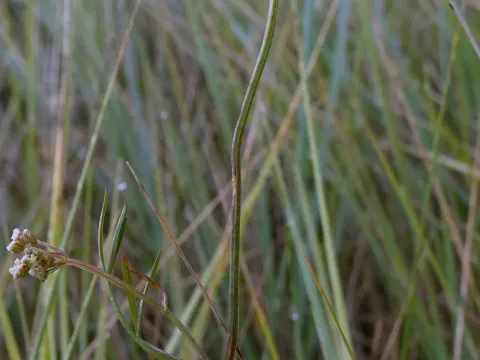
Oenanthe foucaudii
Oenanthe foucaudii
Oenanthe foucaudii is a perennial herbaceous plant belonging to the Apiaceae family. It is a specialized crop that thrives in environments mirroring its natural damp, temperate habitats.
What the section contains
Oenanthe foucaudii
The plant requires moisture-retentive, nutrient-rich soils to maximize its vegetative development. It performs best in substrates that mimic riparian ecosystems, providing consistent moisture levels without the risks of complete waterlogging.
Climatic requirements involve moderate temperate conditions. The plant is sensitive to extreme heat and prolonged drought stress, which can lead to premature dormancy or reduced biomass yields in an agricultural setting.
Agrotechnical management requires precise irrigation scheduling. Maintaining adequate soil aeration is crucial, as the root system is sensitive to oxygen deprivation caused by heavy, compacted soil profiles.
Soil preparation should involve thorough tilling and the incorporation of organic matter to support the plant's nutrient needs throughout the long growing season, ensuring uniform establishment of the crop.
Oenanthe foucaudii is vulnerable to various fungal pathogens typical of the celery family. Root rots and damp-off infections are particularly common during periods of high humidity and poor drainage.
Insect pests including aphids and various mites pose a constant threat, feeding on the foliage and reducing the photosynthetic capacity of the plant. Monitoring for early signs of infestation is essential for successful management.
The crop is susceptible to mildew outbreaks when airflow around the foliage is restricted. Ensuring correct plant spacing during seeding is a primary preventive measure to manage microclimate humidity.
Soil-borne larvae, such as those of the click beetle, can damage the underground parts of the plant, potentially leading to total loss of individual specimens in the field if left unmonitored.
Integrated pest management (IPM) strategies, including biological control agents and resistant cultivars (where available), are the most effective methods for protecting the health of the plantation.