
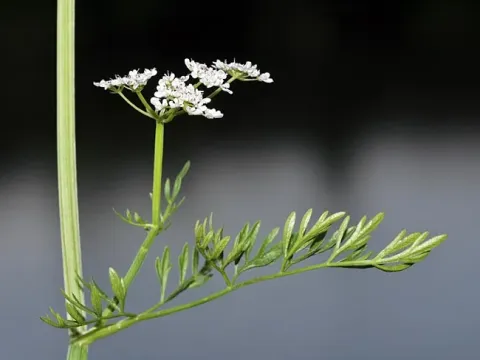
Oenanthe banatica
Oenanthe banatica
Oenanthe banatica is a herbaceous perennial plant belonging to the Apiaceae family. This species is notably adapted to moist, riparian environments, which dictates its specific agricultural management and site selection requirements in a cultivation setting.
What the section contains
Oenanthe banatica
For successful growth, the plant requires fertile, moisture-retentive soils that are rich in organic matter. While it thrives in moist conditions, it is crucial that the soil structure allows for proper aeration to prevent root rot, which is common in stagnant water conditions.
Climatic requirements involve moderate temperature regimes during the growing season. The plant is sensitive to prolonged periods of drought and high heat, necessitating a microclimate that offers consistent humidity and protection from harsh, drying winds.
Cultivation practices focus on precise moisture management and nutrient application. Providing the correct balance of nitrogen and potassium is essential to support the vegetative vigor of the plant, especially during the peak development phases of the season.
Agricultural and commercial use of this plant is largely centered on its biochemical profile. It is a subject of interest for specialized agriculture due to its unique secondary metabolites, which may have future applications in pharmacological and horticultural sectors.
Like many species in the Apiaceae family, Oenanthe banatica is susceptible to various fungal pathogens. Powdery mildew and leaf spot are the most frequent issues, particularly when humidity levels are high and airflow within the canopy is restricted.
Pest threats include the larvae of the parsley worm and aphids. These insects can cause significant damage to the leaf tissue and floral development, reducing the overall vitality and biomass production of the plant population.
Integrated Pest Management (IPM) strategies are recommended to mitigate these risks. This includes monitoring for early signs of infestation and using organic control methods whenever possible to protect the plant’s chemical integrity.
Maintaining adequate plant spacing is a critical agronomic practice to reduce the incidence of fungal diseases. Good ventilation serves as a natural deterrent against the development of many common pathogens in moist habitats.
Regular field scouting is essential to ensure early detection of any health issues. Swift response to localized outbreaks is necessary to prevent them from spreading across the entire crop area during the most vulnerable stages of plant development.