
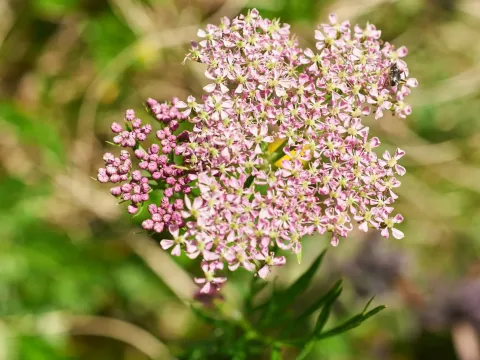
Mutellina
Mutellina
Mutellina, scientifically known as Ligusticum mutellina, is a perennial herbaceous plant belonging to the Apiaceae family, native to the alpine regions.
What the section contains

Mutellina
The seeds require a cold period to break dormancy; therefore, sowing is ideally performed in late autumn to allow natural stratification.
For spring sowing, seeds should be mixed with damp sand and stored in a cool place at temperatures between 2 and 5 degrees Celsius for several weeks.
The seeds are small, so they should be sown on the surface and lightly covered with soil or fine compost to ensure proper moisture retention.
Consistent moisture must be maintained during the germination period, which can be slow and sporadic depending on environmental conditions.
The plant thrives in cool, mountainous climates and requires well-drained, nutrient-rich soils with a slightly acidic or neutral pH level.
It is sensitive to heat stress, requiring locations that offer protection from direct afternoon sun in warmer regions.
Proper aeration of the soil is essential to prevent root rot, especially during periods of high rainfall or in heavy clay environments.
Organic soil amendments are recommended before planting, although excessive nitrogen fertilization should be avoided to prevent weak growth.
The cultural requirement for high air humidity makes this plant particularly suited for upland areas where moisture levels remain stable throughout the season.
The plant is relatively robust, but it can be susceptible to fungal diseases such as mildew, especially in stagnant air conditions.
Root rot caused by Phytophthora species is a significant threat if drainage is inadequate or if the site remains waterlogged for extended periods.
Pests like aphids may occasionally colonize the soft tips of the plants, particularly during the early stages of the growing season.
Slugs and snails can also cause significant damage to young seedlings, necessitating regular monitoring and appropriate physical control measures.
Weed management is critical, as the crop does not compete well with vigorous invasive grasses, requiring frequent shallow cultivation.
Harvesting is typically carried out during the peak flowering stage when the concentration of aromatic compounds is highest in the foliage.
Mechanical harvesting is generally impractical due to the plant's growth habit, making hand-harvesting the standard method for smaller plots.
Plants are cut carefully above the basal leaf rosette to ensure that the crown remains intact for potential regrowth in the following season.
Post-harvest processing involves immediate drying in a shaded, well-ventilated area to preserve the delicate essential oils present in the leaves.
Proper storage in airtight containers away from direct light is necessary to maintain the quality and aromatic profile of the dried herb.